


The Evolution of Cereal Mascots: From Brand Characters to Cultural Icons
2026-08-31 10:14:23
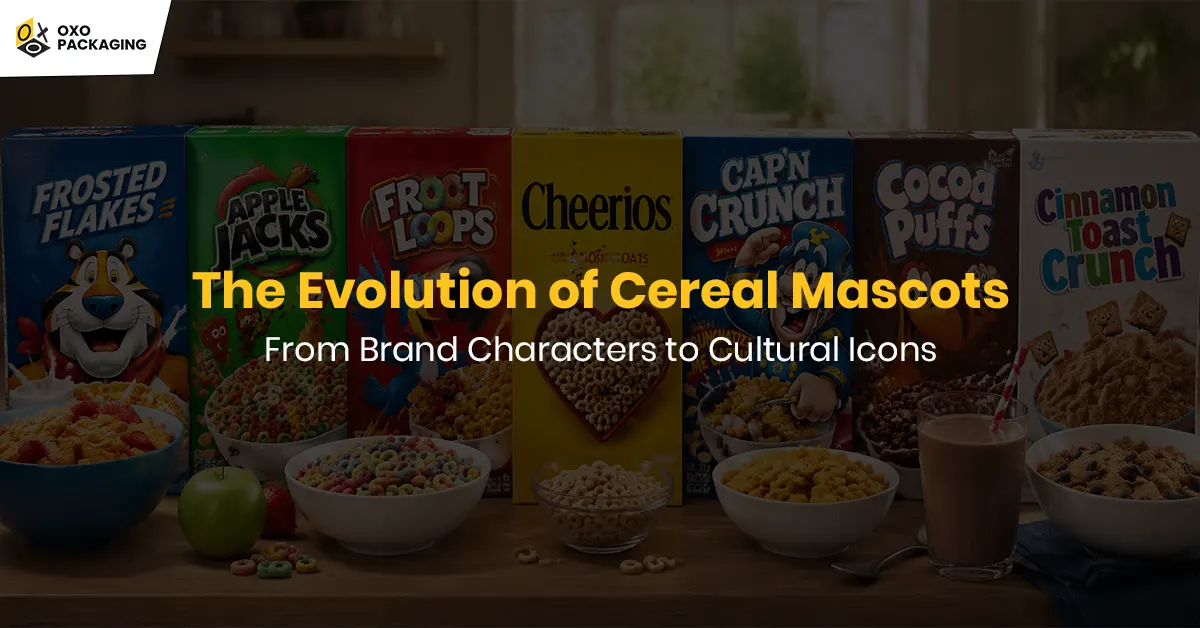
Cereal mascots are more than colourful figures printed on breakfast boxes. They are familiar faces that help people recognise a product, understand its personality, and remember it long after the bowl is empty.
From energetic tigers to adventurous captains, these cereal mascot characters have become part of the visual language of breakfast. For many families, opening a cereal box is connected to a daily routine.
Cereal brands use characters to reinforce brand identity without disturbing that routine, especially for children. Mascots also create memorable identities that parents recognise from their own childhoods.
Ready to revisit the cereal characters that shaped generations? Keep reading to explore their stories, personalities, and lasting impact on breakfast culture.
Evolution of Cereal Mascots
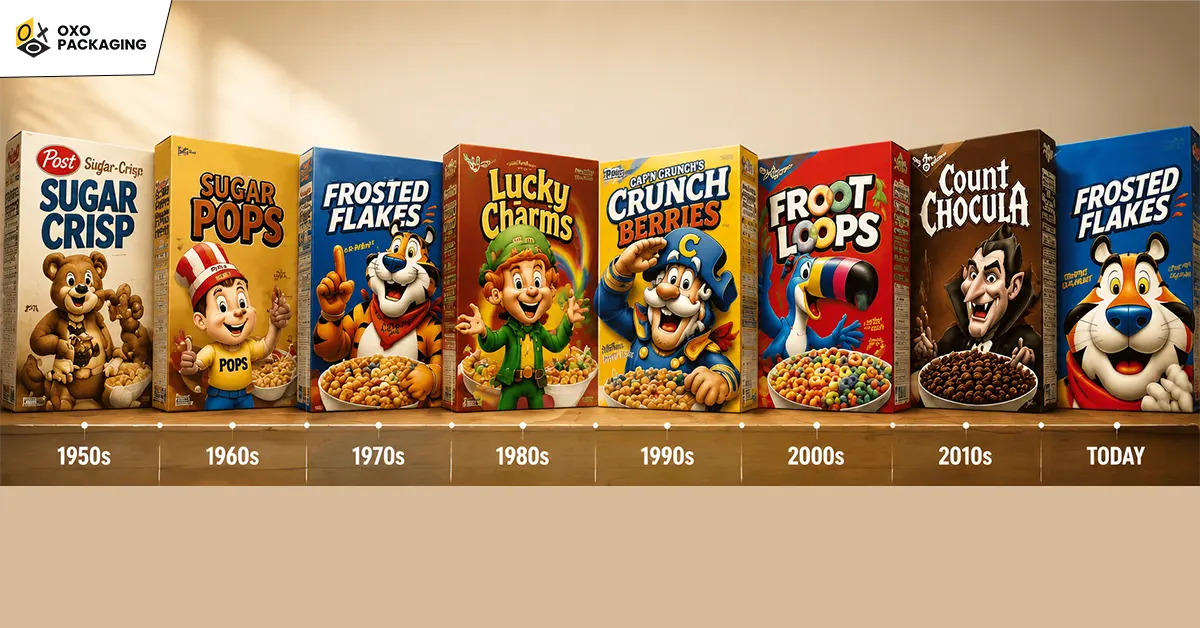
Early cereal advertising often relied on product names, simple illustrations, and short messages about flavor or nutrition on cereal boxes. As competition grew, cereal companies needed ways to make individual boxes stand out on crowded store shelves. A distinctive character provided an immediate visual signal.
The first cereal mascots were often straightforward representatives of the product. Some were animals chosen to suggest energy, taste, or playfulness. Others were built around a cereal’s name, shape, or flavor. With time, these figures developed specific voices, clothing, catchphrases, habits, and personalities.
Television helped transform cereal characters from package illustrations into recognizable entertainers. Animated commercials gave mascots movement and storytelling opportunities. A character could chase a bowl, solve a problem, invite children into an adventure, or deliver a humorous reminder about the product.
Packaging also became more interactive. Cereal box mascots began appearing beside puzzles, games, collectible offers, recipes, and short stories. The front of the box attracted attention, while the back encouraged children and families to spend more time with the brand.
The strongest characters became consistent symbols across many forms of communication. Their colours, facial expressions, gestures, and voices were carefully repeated so that shoppers could identify a cereal quickly. In this way, mascots helped turn cereal brands into personalities rather than anonymous products.
The Most Famous Cereal Mascots
The world of cereal characters includes a wide range of animals, fantasy figures, food-based personalities, and storybook-style heroes. Each mascot gives its cereal a different tone.
Tony the Tiger
Tony the Tiger represents Frosted Flakes and is one of the most recognizable cereal mascots in advertising history. His confident attitude, athletic energy, and bold orange-and-black design communicate excitement and strength. Tony’s personality is built around encouragement and enthusiasm, making him feel like a coach as much as a product character.
Toucan Sam
Toucan Sam is the colourful mascot of Froot Loops breakfast cereal boxes. His large beak and bright feathers make him easy to spot, while his adventurous personality supports the idea of discovering fruity flavor. Many of his stories center on following a scent toward a bowl of cereal, turning a simple breakfast into a playful search.
The Trix Rabbit
The Trix Rabbit is associated with Trix cereal and is known for his persistent attempts to enjoy a bowl of cereal. His schemes often create a humorous conflict between desire and disappointment. That recurring storyline gives the mascot a memorable personality and makes the cereal feel connected to comedy and mischief.
Snap, Crackle, and Pop
Snap, Crackle, and Pop are the well-known characters behind Rice Krispies. The trio reflects the cereal’s audible texture and gives each sound a personality. Their teamwork, playful disagreements, and friendly energy make the product experience feel lively and communal.
Cap’n Crunch
Cap’n Crunch is the nautical figure associated with Cap’n Crunch cereal. His uniform, ship, and adventurous setting create an imaginative world around the product. Rather than simply presenting a bowl of cereal, the character invites audiences into a story filled with exploration and lighthearted action.
Lucky the Leprechaun
Lucky the Leprechaun represents Lucky Charms. His magical identity fits the cereal’s colourful marshmallow pieces and fantasy themes. Lucky is often shown protecting or celebrating the charms, giving the brand a clear story structure based on surprise, magic, and discovery.
Count Chocula
Count Chocula is one of General Mills’ classic monster cereal characters. Inspired by familiar horror imagery but presented in a playful way, he gives chocolate cereal a distinctive seasonal identity. His dramatic clothing and exaggerated personality make him especially memorable during Halloween promotions.
Franken Berry
Franken Berry is another monster cereal mascot, representing strawberry-flavored cereal. The character uses a friendly, cartoon-like version of Frankenstein-inspired design. His unusual appearance helps the product stand out while keeping the tone accessible rather than frightening.
Boo Berry
Boo Berry is the ghostly mascot associated with blueberry-flavored cereal. His blue colour, floating form, and soft-spoken supernatural theme create a different mood from the louder monster characters. He shows how colour and character design can work together to communicate flavor.
BuzzBee
BuzzBee is the mascot of Honey Nut Cheerios. As a bee, he connects naturally with honey while bringing a cheerful and approachable quality to the brand. His friendly presence supports the cereal’s family-oriented image and makes the product easy to identify.
Dig’em Frog
Dig’em Frog is associated with Honey Smacks. His energetic, mischievous behavior gives the cereal a youthful character. Like many cereal mascots, he works by turning a product attribute into a personality: the mascot’s enthusiasm suggests that the cereal itself is fun and full of energy.
Sonny the Cuckoo Bird
Sonny the Cuckoo Bird represents Cocoa Puffs. His exaggerated excitement gives the brand a highly expressive voice. The character’s comic obsession with chocolate helps make the cereal’s central flavor impossible to misunderstand.
Cookie Crisp Wolf
The Cookie Crisp Wolf is connected with Cookie Crisp cereal. His playful attempts to get cookies create a simple comedic premise that audiences can understand quickly. The character reinforces the cereal’s dessert-like appeal while giving the brand a recognizable face.
Cornelius Rooster
Cornelius Rooster is a historic mascot associated with Kellogg’s Corn Flakes. His design connects the cereal to traditional farm imagery and the idea of a morning wake-up call. Compared with more chaotic modern characters, Cornelius has a classic, dependable quality.
Cereal Mascot Names: Who Is Behind Their Faces?
Mascot names matter because they make fictional characters easier to remember, discuss, and recognise. A descriptive name can immediately connect a character to a product, while a more distinctive name can create a separate identity that feels almost like a cast member in an ongoing story.
Cereal mascot names are often built around one of four ideas:
- The product itself: Characters may reference the cereal’s flavor, shape, or sound.
- A visual identity: Names such as Lucky or Cap’n support a specific world and costume.
- A memorable sound: Short names are easy to repeat in commercials and conversations.
- A personality trait: A name can suggest energy, mystery, humor, or adventure.
Here are several notable mascot and brand connections:
- Tony the Tiger: Frosted Flakes
- Toucan Sam: Froot Loops
- Trix Rabbit: Trix
- Snap, Crackle, and Pop: Rice Krispies
- Cap’n Crunch: Cap’n Crunch
- Lucky the Leprechaun: Lucky Charms
- Count Chocula: Count Chocula
- Boo Berry: Boo Berry
- Franken Berry: Franken Berry
- BuzzBee: Honey Nut Cheerios
- Sonny the Cuckoo Bird: Cocoa Puffs
- Dig’em Frog: Honey Smacks
The name, appearance, voice, and behavior all work together. When those elements remain consistent, a mascot becomes more than artwork on cereal packaging. It becomes a shorthand for the entire brand.
Female Cereal Mascots
Female cereal mascots have historically appeared less often than male characters, but they play an important role in creating broader representation within breakfast cereal branding. Examples include Mia, the colourful character used in some Special K campaigns, and Sunny, a character associated with certain cereal promotions and family-focused advertising. Brands have also introduced female versions, supporting characters, and groups of characters in limited campaigns.
The importance of female cereal characters is not only about adding another face to a box. A mascot’s personality can influence who feels included in a brand’s story. Characters who are clever, adventurous, humorous, creative, or confident can offer children a wider range of ways to imagine themselves.
Representation also works best when it feels natural. A female character should have a clear personality and role rather than existing only as a decorative addition or a gendered variation of another mascot. Strong character design gives audiences someone to remember for what she does, not simply how she looks.
As cereal packaging and advertising become more diverse, brands have more opportunities to build ensembles of characters with different personalities, backgrounds, interests, and styles. That approach can make cereal brands feel more welcoming to modern families.
Cereal Mascots and Brand Personality
A cereal mascot gives a brand a human-like personality. Without one, a cereal may be described mainly by its ingredients, flavor, or nutritional profile. With one, the brand can appear adventurous, funny, energetic, magical, traditional, rebellious, or comforting.
Character traits shape how people interpret the product:
- Confidence can suggest energy and excitement.
- Humor can make advertising more memorable.
- Curiosity can support themes of discovery.
- Friendliness can reinforce family appeal.
- Magic can make ordinary ingredients feel imaginative.
- Tradition can connect a product with long-standing routines.
Cereal Mascots on Packaging and Advertising
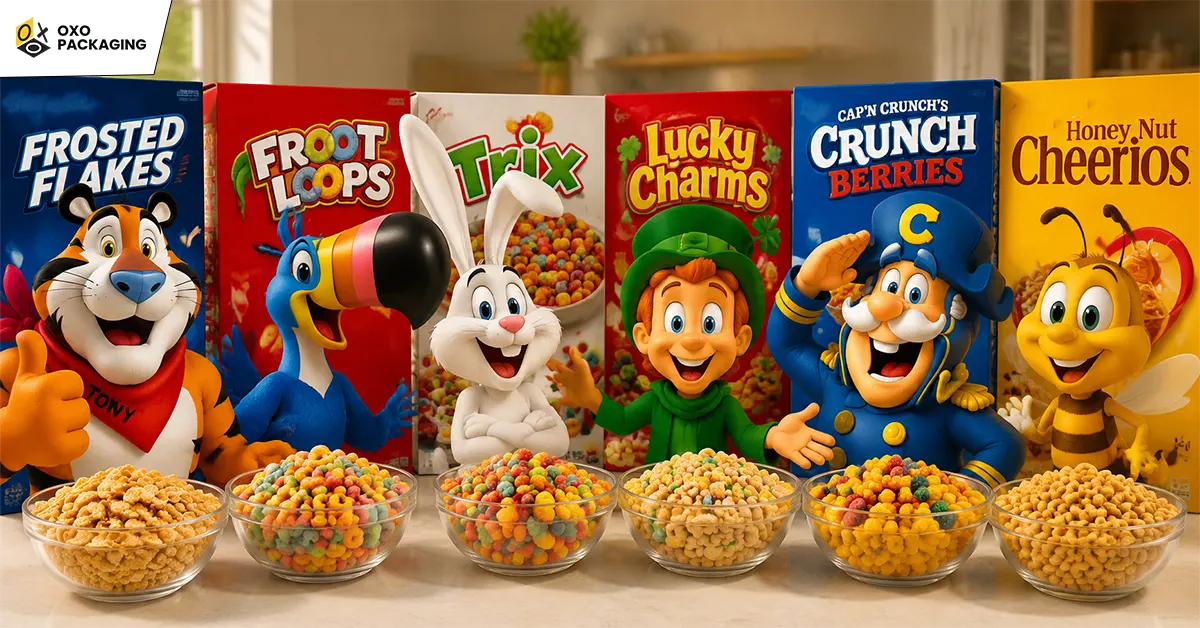
Cereal packaging is one of the most important places where mascots do their work. A box must attract attention quickly, communicate the product, and help shoppers distinguish it from other brands.
A large face, distinctive pose, or recognizable colour pattern of mascots can make that first
impression stronger. On the front of a box, a mascot may:
- Draw attention to a new flavor or format.
- Point toward the product name or promotional message.
- Show the cereal in an active or playful setting.
- Reinforce the brand’s established colours and style.
- Communicate whether the product is aimed at children, families, or adults.
Television commercials expanded the role of mascots by adding sound, movement, and voice acting. A character’s catchphrase, laugh, or musical theme could become as recognizable as the image on the box.
Today, digital marketing offers even more possibilities. Cereal brands can use mascots in animated clips, social media posts, interactive filters, online contests, and short-form videos. Some campaigns place characters in situations that reflect current internet culture, while others use nostalgia to connect with adults who grew up with the same cereal box mascots.
The Future of Cereal Mascots
Cereal mascots are likely to become more flexible, interactive, and platform-friendly. Social media gives brands a way to let characters respond to trends, answer questions, and appear in short-form entertainment. Animation tools also make it easier to produce new stories without relying only on traditional television commercials.
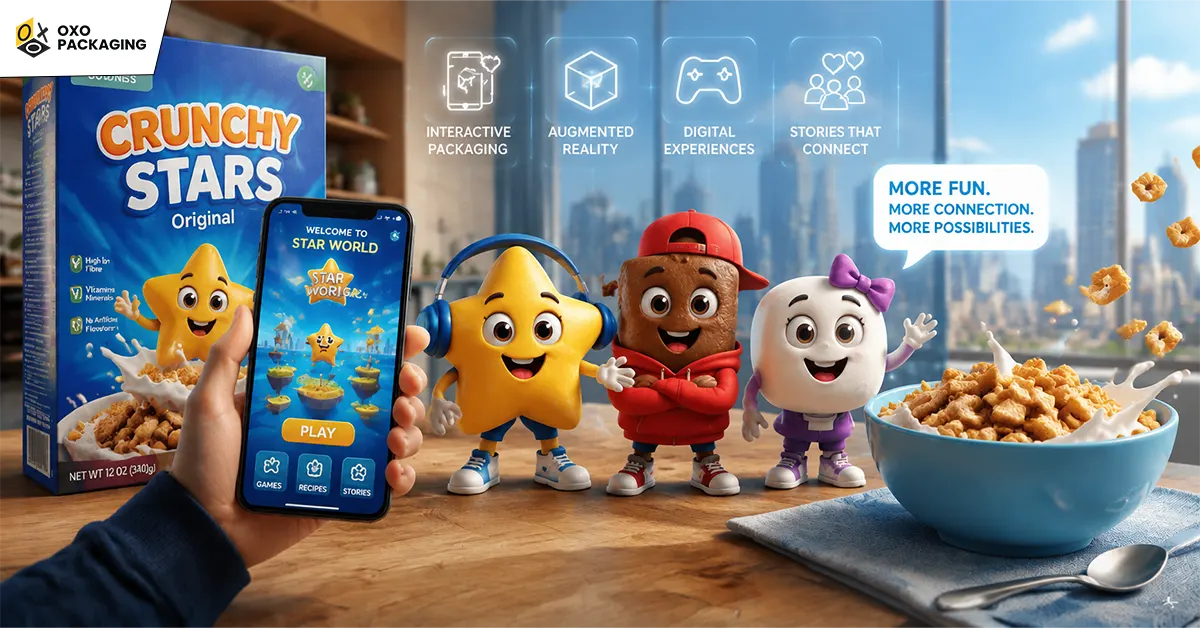
Interactive packaging may become more common. A unique cereal box could connect shoppers to a mobile experience, augmented-reality game, digital recipe, or personalised activity. The mascot would serve as a guide between the physical package and the online brand world.
Modern character design may also place greater emphasis on diversity and emotional range. Instead of presenting one mascot as the entire identity of a cereal, brands may build groups of characters with different interests and perspectives. This can create more story possibilities and make the brand feel relevant to a wider audience.
At the same time, classic mascots will continue to benefit from their established recognition. Their future may involve refreshed artwork, new voices, seasonal appearances, and collaborations that preserve their core identities while adapting them to current media.
The challenge will be balance. A mascot must feel current without losing the qualities that made it memorable. Brands that treat their characters as living parts of a larger story, rather than as static decorations, will have the best chance of keeping them meaningful.
Yes, a girl can be a perfect mascot for cereal packaging. Females performing in various costumes and as cheerleaders can become mascots of a cereal brand, exuding an energetic as well as vibrant vibe
No, professional mascots are almost never allowed to talk. Staying silent is the golden rule of mascot performance, as it’s more about the visual depiction of your story instead of verbal.
The Honey Nut Cheerios bee (named BuzzBee) does not actually have one eye closed. He is typically drawn with both big, expressive cartoon eyes wide open, so you might just be seeing a playful wink, a specific angle from an old commercial, or confusing him with a different cartoon character.
The crazy, wild-eyed mascot from the 90s was Crazy Craving (also known as "The Craver" or the Honeycomb Monster) for Post's Honeycomb cereal.