


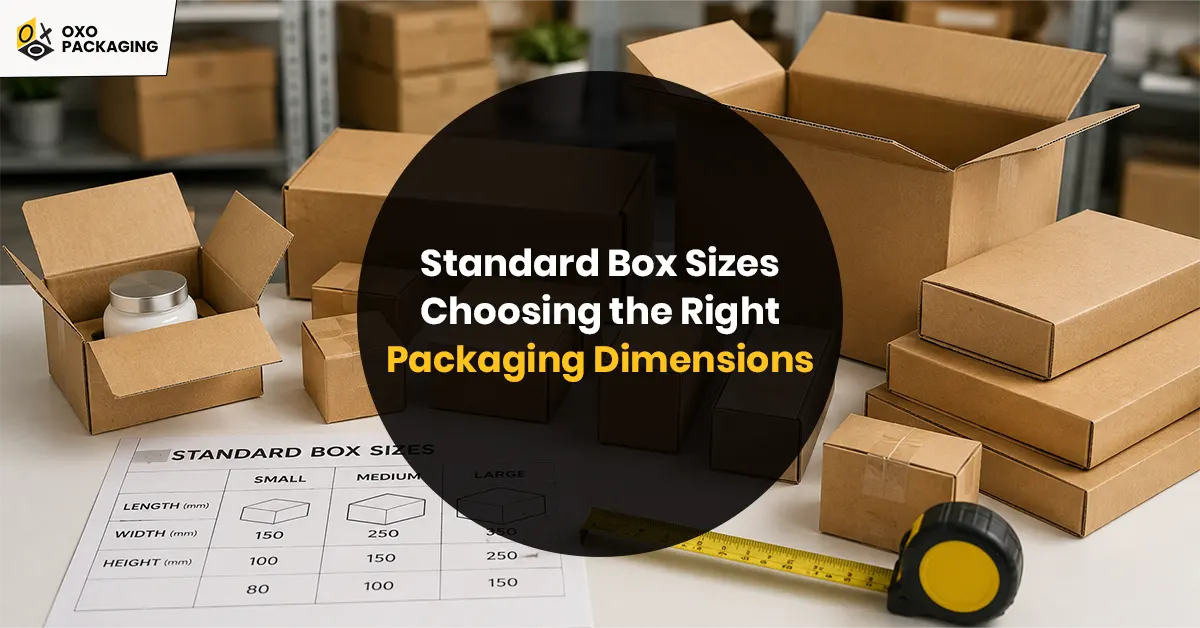
Choosing the right box size is an important part of product packaging. A box that is too small can damage the product, while an oversized box can increase material use, shipping costs, and storage requirements.
Understanding standard box sizes helps businesses select packaging that fits their products properly. It also makes packing, shipping, storage, and presentation more efficient.
From small product boxes to large shipping cartons, there are many dimensions available. The right choice depends on your product, material, quantity, and intended use.
What Are Standard Box Sizes?
Standard box sizes are commonly used packaging dimensions designed to accommodate different types of products. They provide businesses with practical sizing options without requiring a completely unique box structure for every order.
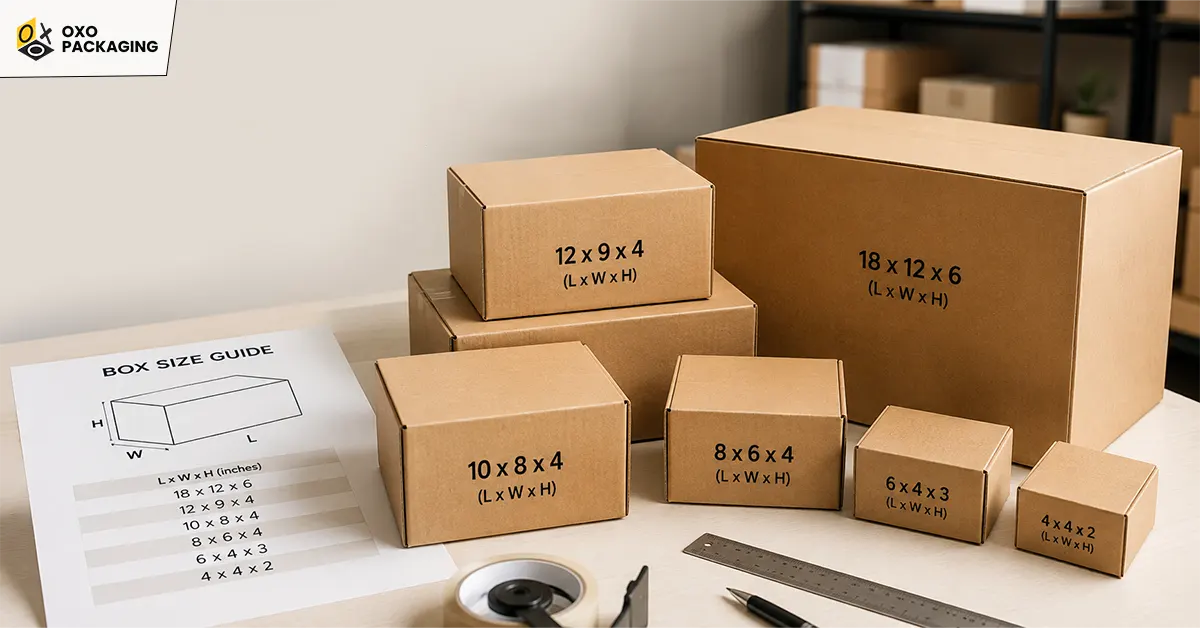
Common box dimensions are usually expressed as:
Length × Width × Height (L × W × H)
For example, a box measuring 10 × 8 × 4 inches is 10 inches long, 8 inches wide, and 4 inches high.
Standard dimensions can be useful for products that fit common packaging formats. However, they are not universal. A product may still require a custom size for a more accurate fit.
Why Does Box Size Matter?
Box dimensions affect much more than product presentation. The right size can provide protection, reduce wasted space, and create a better customer experience.
Better Product Protection
A properly sized box keeps the product from moving excessively during handling and transportation. This can reduce the risk of scratches, dents, breakage, and other damage.
Fragile products may also need inserts, dividers, padding, or protective wrapping.
Lower Packaging Costs
An oversized box uses more material than necessary. It may also require additional void fill to stop the product from moving.
Choosing an appropriately sized box can help reduce material waste and improve packaging efficiency.
Easier Shipping
Box dimensions can influence shipping costs. Larger packages can occupy more space during transportation, even when their contents are relatively light.
A compact box that safely accommodates the product can therefore be a practical choice for e-commerce and retail businesses.
Improved Presentation
Packaging is also part of the customer experience. A well-fitted product can look more organised and professional when the box is opened.
This is especially important for cosmetics, jewellery, gifts, food products, apparel, and other retail items.
How to Determine the Right Box Dimensions
Before choosing from standard box sizes, measure the product carefully. The measurements should account for the way the item will be packed.
1: Measure the Product
Start by recording the product's:
- Length
- Width
- Height
Measure the product at its widest or tallest points. If several products will be placed inside one box, measure the complete arrangement rather than just one item.
2: Consider Protective Materials
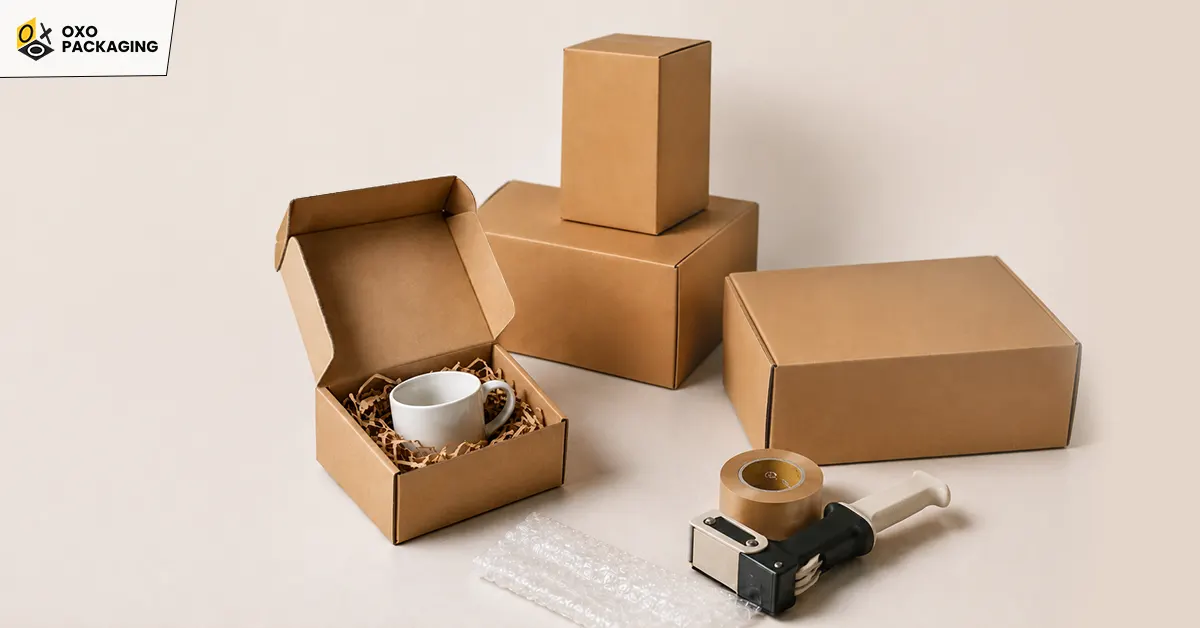
Your product may need bubble wrap, tissue paper, foam inserts, dividers, or other protective components.
These materials take up additional space. Make sure the internal dimensions of the box accommodate them without putting excessive pressure on the product.
3: Leave Suitable Clearances
The product should not be forced into the box. At the same time, excessive empty space can allow it to move during transit.
The ideal clearance depends on the product and protective material used. Test a sample before placing a large packaging order.
4: Consider Product Weight
Weight is another important factor when selecting packaging. Light products can often use folding cartons or lightweight paperboards. Heavier products may require stronger corrugated packaging or a more rigid construction. The box should be strong enough to support the product during handling, storage, and delivery.
Common Standard Box Sizes
There is no single standard size that works for every industry. However, businesses commonly use several small, medium, and large formats.
|
|
|
|
|
|
|
|
|
|
|
|
|
|
|
|
|
|
|
|
|
|
|
|
|
|
|
|
|
|
These dimensions are examples rather than fixed industry requirements. Your ideal box size should always be determined by the product and packaging method.
Common Mistakes to Avoid When Selecting Box Sizes
Selecting the packaging based only on appearance can lead to practical problems. Consider these common mistakes when placing your order.
Using an Oversized Box
Too much empty space can allow products to move around during transportation. It may also require more protective filler.
Choosing a Box That Is Too Small
A tight box can put pressure on the product or make packing difficult. It can also damage corners, closures, or delicate surfaces.
Ignoring Product Weight
The dimensions may look suitable, but the material may not provide enough strength for a heavy product. Always consider both box size and material strength.
Forgetting inserts
If your packaging includes compartments, dividers, or custom inserts, their dimensions must be included when calculating the required internal space.
Conclusion:
Standard box sizes provide a starting point for businesses looking for practical packaging solutions. They can simplify production, support packing, and help reduce unnecessary material and space.
However, there is no box dimension for every product. The ideal packaging should match the product's measurements, weight, protection requirements, and shipping method.
If your product does not fit comfortably into a format, custom‑sized packaging can provide a more precise solution. By measuring and testing your packaging before production, you can create boxes that protect your products while delivering a professional customer experience.
No, the box should allow enough space for the product and any protective materials without leaving excessive empty space.
Yes, standard sizes can be suitable for shipping when they provide sufficient product protection and comply with the carrier's requirements.
They can, provided the box material and construction are strong enough to support the product's weight.
Yes, many packaging manufacturers can produce boxes in custom dimensions, shapes, materials, and styles to meet specific product requirements.