


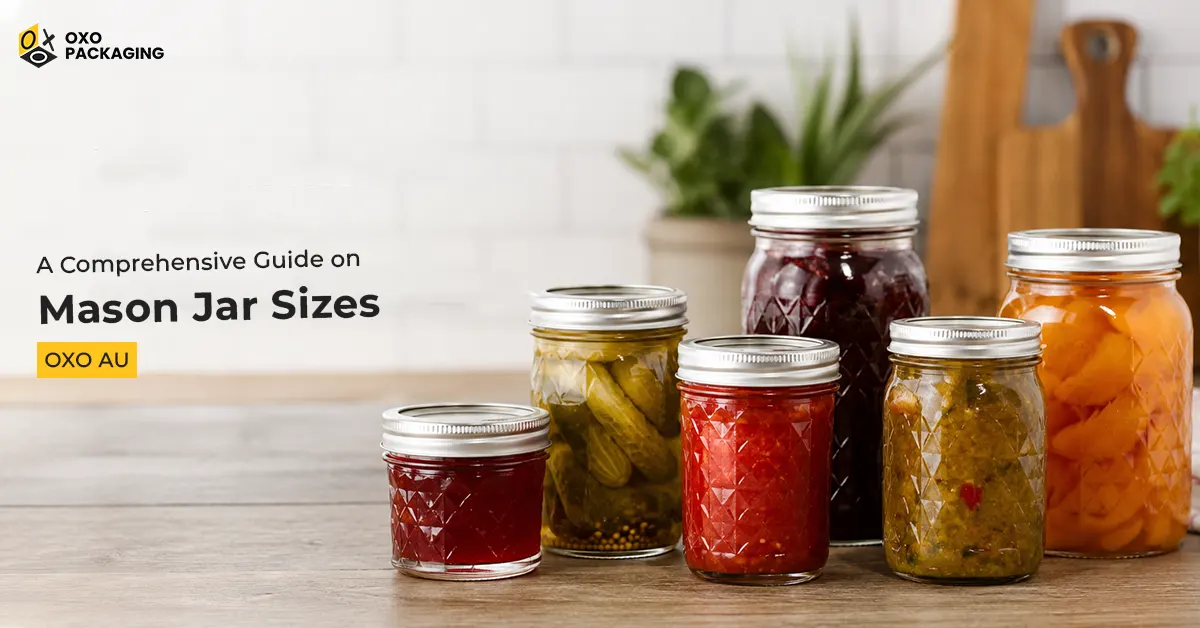
Pickles, jams, and chutney – they all taste delicious, but there’s something that preserves the freshness and flavour. It’s packaging. Among various options, mason jars are one of the top picks, built with precision while retaining the packed content’s richness at its best. That’s why, in this blog, we’ll discuss everything you need to know about these glass containers. So, let’s read on.
What is a Mason Jar?
The history of the Mason Jar starts in 1885 when tinsmith John Landis Mason patented it. Its structure mainly contains two components: the jar’s body and the lid. These containers are one of the top packaging solutions for home food preservation and canning needs.
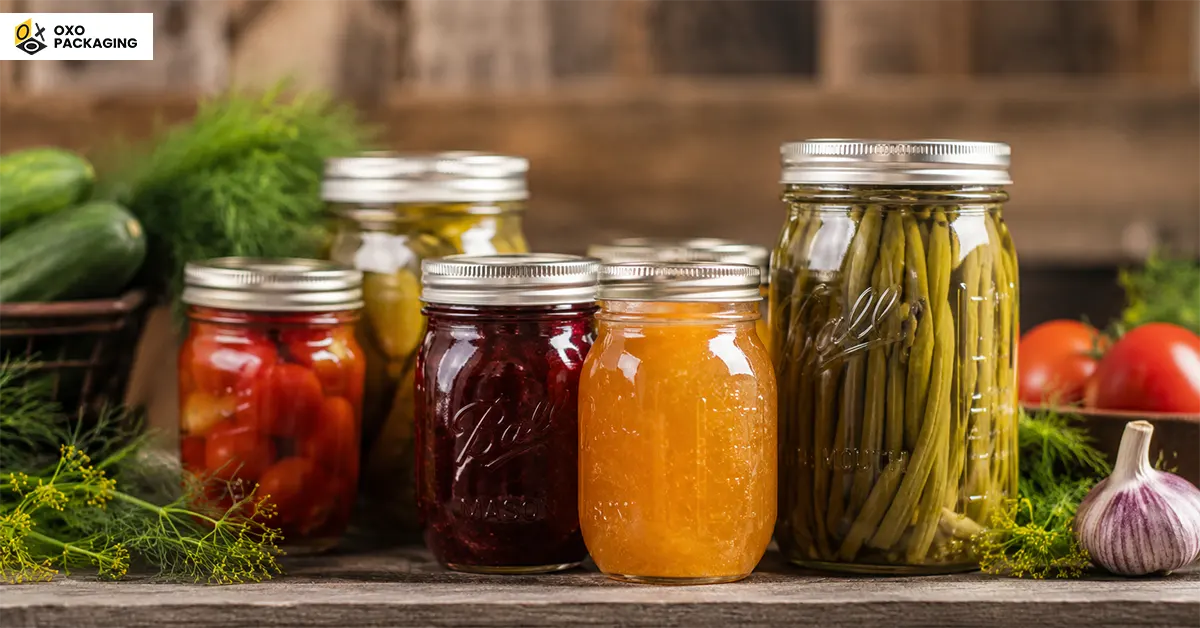
Material Options to Build Mason Jars
Though the manufacturing of a jar doesn’t demand any comprehensive materials list, its components determine what material will be used. For instance, below are some of the raw ingredients that are used to develop the jars.
Jar’s Body
First of all, the jar’s body is the primary component that contains the majority of its structure. For this, the materials that are being used include the:
- Tempered Glass: The glass is treated at a specific temperature to mould and develop the desired container's shape. While it’s ensured that it doesn’t have any inconsistencies that can cause leaching and breakage during usage.
- Colored/Amber Glass: For some light-sensitive contents, a special colored glass is used that blocks the high intensity of harmful UV rays. Due to its characteristics, this makes it an ideal choice to store virgin oils, dry herbs, and other food-related products.
- PET/Acrylic Plastic: Another option for mason jars is the PET-based materials that are a great alternative to heavy jars. Since the material is lightweight, it is used to develop portable jars which are shelf-friendly and can be used without the risk of breakage.
Lid
The lid of the jar is the next component which concludes its packaging. For lids, the materials that are and styles that are used are as follows:
- Stainless Steel: For food content storage needs, stainless steel is used to develop the lids. The durability of these lids is beyond months and years, as it features rust-proof against the moisture-canning jar environment.
- Two-Piece Metal Lids: In traditional canning, they’re very common. It contains a flat metal disc and a separate threaded metal band. The design of the flat disc offers an in-built sealing compound that softens when treated with heat. That’s how it develops a vacuum seal that preserves the food.
- Plastics & Wood: Yes. Some jars’ lids are also built from non-steel materials as they are easy to handle. While the application of these lids is more common for dry goods such as coffee beans, flour, and other grocery items.
Seal
The mason jar’s packaging remains incomplete unless the seals are included in it. They ensure the content is packed to its best state and the chances of external elements stay none. For the seals, the materials manufacturers benefit from include:
- Rubber/Silicone: For food, both of the options seem toxic. That’s true to some extent, but with BPA-Free variants, it’s all safe, as they bond with the glass rim for the best-closure mechanism.
- Silicone Gaskets: Likewise, reusable silicone rings & O-rings are widely used as they stop the degradation process of the packaging, as the environment inside the jar isn’t affected by external factors.
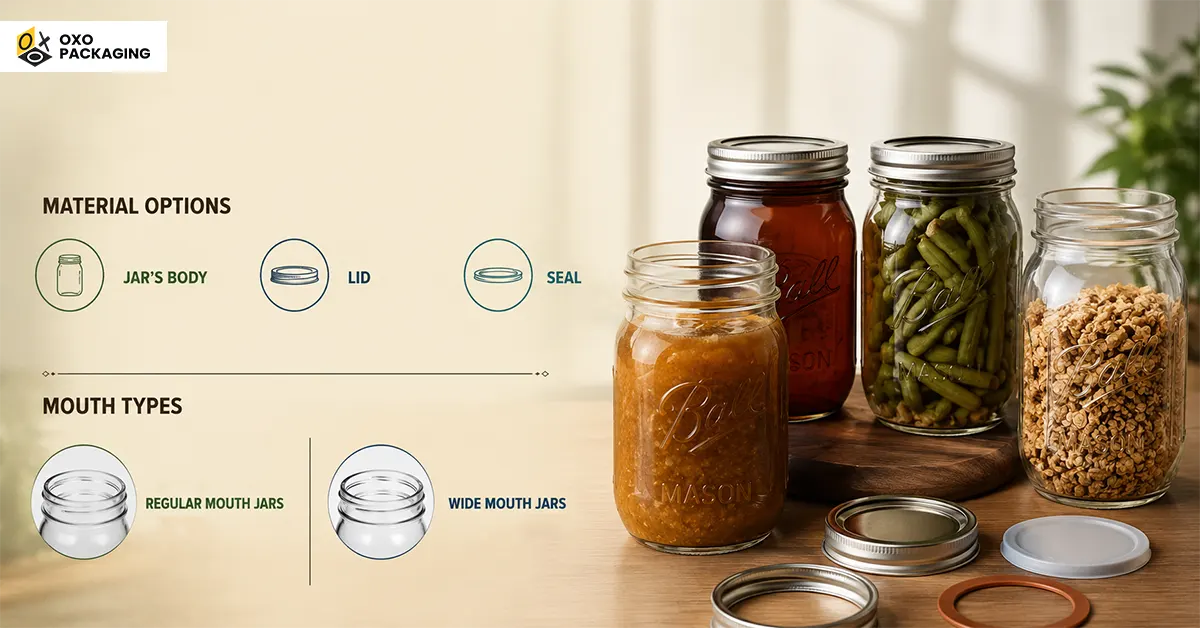
Mouth Types for Mason Jar Containers
Other than the aesthetic needs, a jar’s mouth serves a functional purpose as it determines the ease of accessibility to the packed content. Commonly, there are two types of options available and used widely, as both are briefly mentioned below:
-
Regular Mouth Jars
These are the common jars having a mouth that is just enough to pour the content and extract when needed. The items that can be stored in them include jams, sauces, broths, and dressings. Its opening diameter is around 2.75 inches (70 mm).
However, the tapered neck ensures no spills occur, and the liquid-based content stays inside. Since it caters to mass users' packaging needs, its size is refrigerator- and shelf-friendly; that’s why it fits seamlessly in any space.
-
Wide Mouth Jars
In contrast, the wide mouth jar's opening diameter is around 3.38 inches (8.6 mm). It’s best to store solid foods such as vegetables, fruits, and seasoned pickles. The jar’s wide mouth allows for pouring the contents with ease, and the contents can be extracted by hand without using any utensil.
Similarly, it’s easy to empty and wash the jar as the accessibility isn’t a concern with it. For customers who are concerned about the narrow mouth of the glass jars, this is the option they must opt for.
-
Wide-Mouth Jars Vs. Regular-Mouth Jars – Which One Wins?
The comparison in itself is a bit unfair because the usage demand greatly varies for both. Both of the jar offers similar content-storing features except for the lid style. For ease of use, wide mason jars stand out while regular ones leap aesthetics and bulk canning needs. So, if you’re still unsure, it’s better to consult with a packaging expert rather than guess what works and what doesn’t.
Standard Sizes of Mason Jars
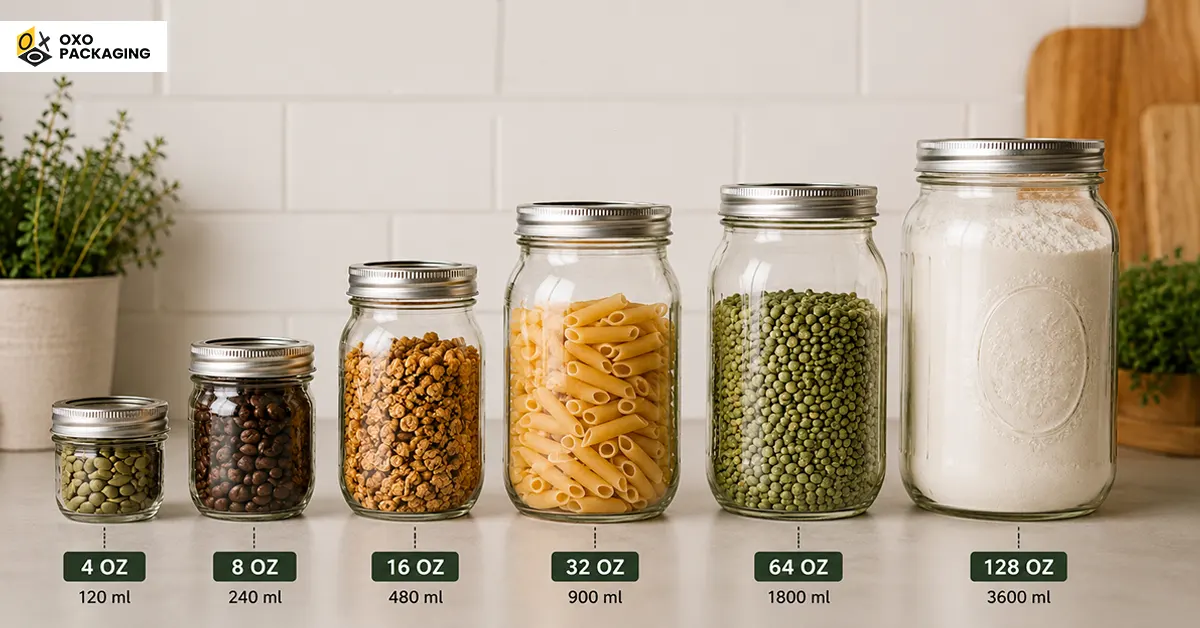
As we’ve discussed the lid types of the mason jars, the next comes their actual size. Since they’re the on-the-go canning solution, they’re available in a variety of sizes. Some of the options for these jars may include the:
- Small Jars: 4 oz, 8 oz, 12 oz
- Medium Jars: 16 oz, 24 oz
- Large Jars: 32 oz, 64 oz, 128 oz
To better understand the capacity requirement, have a look at the chart that provides more details about mason jars.
|
|
|
|
|
|
|
|
|
|
|
|
|
|
|
|
|
|
|
|
|
|
|
|
|
|
|
|
|
|
|
|
|
|
|
|
|
|
|
|
|
|
|
|
|
|
|
|
|
|
|
|
|
|
Best Jar Size You Need to Opt for?
Big or small? What mason jar do you need? The answer is hidden in your question as:
- For individuals, they can purchase the jar that fulfils their canning or storage needs. It’s better to purchase the best size jar and avoid the oversized options, as this not only saves storage but also offers reliability.
- For businesses, they must go for the jar size that caters to their packaging needs. This can range from small individual serving variants to bulky family-size jars.
Shop Mason Jars That Cater to Your Packaging Needs
We understand the importance of high-quality mason jar packaging. That’s why OXO Packaging offers you best-in-class solutions that are available to you at competitive rates in Australia. From the design of the jar to its lid closure styles, we’ve got you covered. Reach out to us anytime by calling us at (02) 7228 8555 or writing your query to sales@oxopackaging.com.au for a detailed response.
The size of the jar can vary as per the content storage demands. For instance, a 16-oz (pint) wide-mouth jar is a balanced container size that is used to store leftovers, salads, and overnight oats without being too bulky or compact.
Normal mason jars are made from transparent glass materials. While the ones made from amber glass offer light resistance, which is ideal for light-sensitive oils and food content.
Due to thermal expansion, the dimensions of the jar may be compromised. But thankfully, that’s not the case under normal conditions, as you don’t have to be concerned about it as a regular user.
The weight of the jar and content stored in it are two different things. That’s why the packed product in a jar is labelled as the net weight. It states that only the content weight is included, excluding the container. Also, the entire package weight is referred to as the gross weight.