


Rigid Boxes vs. Regular Boxes: Which One is Suited?
2026-10-30 12:50:12
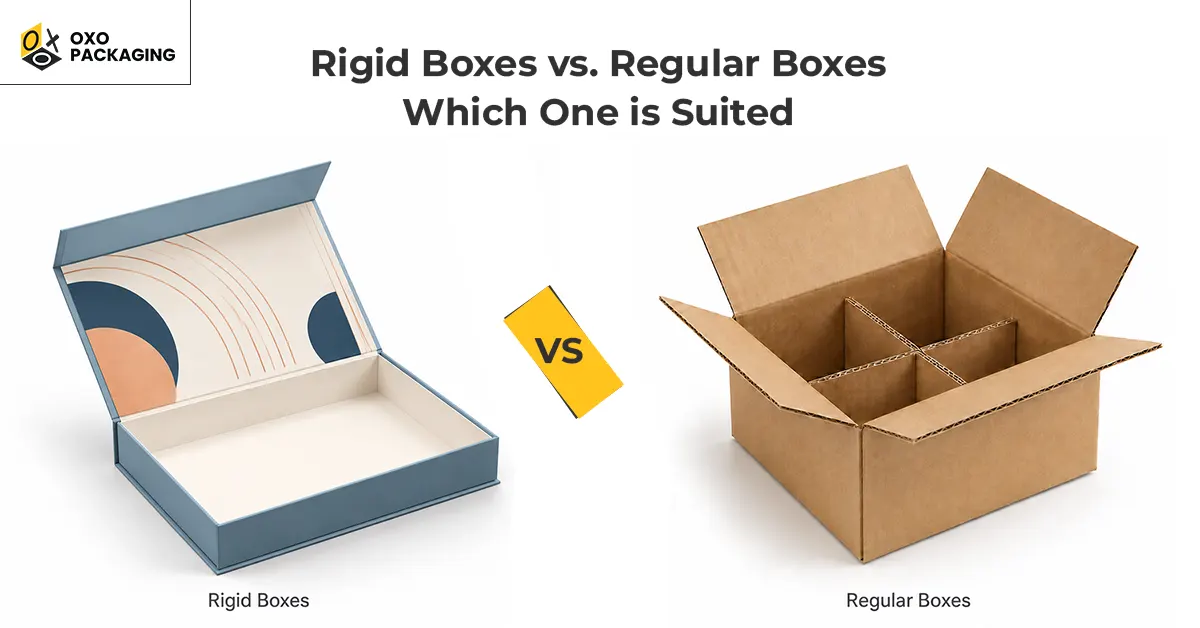
Choosing between rigid boxes and regular boxes depends on your product, budget, and packaging goals. Both options protect products and support branding, but they differ in construction, appearance, cost, and shipping convenience. Rigid boxes offer a premium presentation, while regular boxes provide practical and affordable packaging for everyday business needs.
Understanding these differences helps you select packaging that protects your products, attracts customers, and supports your business growth.
What Are Rigid Boxes?
Rigid boxes are premium packaging solutions made from thick paperboard, commonly called rigid board or chipboard. They maintain their shape and provide a sturdy structure for delicate and valuable products.
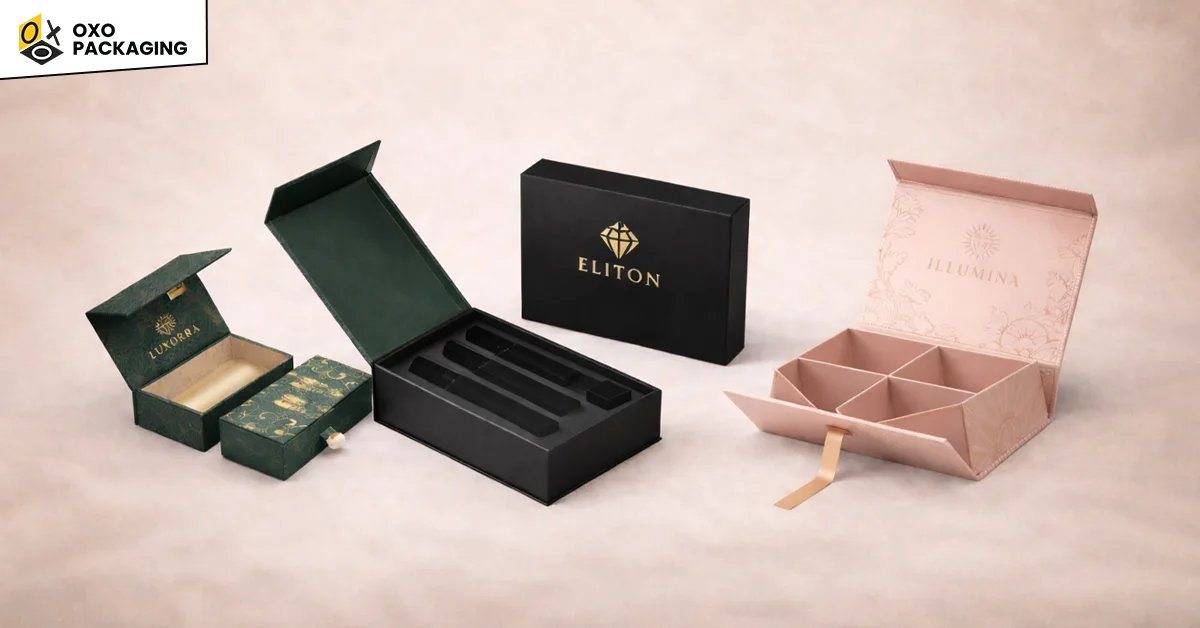
These boxes are widely used for jewellery, cosmetics, electronics, watches, and luxury gifts. Businesses can customize them with magnetic closures, ribbon pulls, embossed logos, foil stamping, and fitted inserts.
Their elegant appearance makes them suitable for brands that want to improve product presentation and create a memorable unboxing experience.
What Are Regular Boxes?
Regular boxes are conventional packaging solutions made from corrugated cardboard or folding carton paperboard. Corrugated boxes contain a fluted layer between flat paper liners, providing strength and cushioning for shipping.
These boxes are commonly used for e-commerce orders, retail products, food packaging, clothing, and warehouse storage. They support custom printing, logos, brand colors, and protective inserts.
Regular boxes are popular because they offer flexibility, affordability, and convenient storage for businesses handling order volumes.
Key Differences: Rigid Boxes vs Regular Boxes:
|
Feature |
Rigid Boxes |
Regular Boxes |
|
Material |
Thick rigid paperboard |
Luxury products and gifts |
|
Appearance |
Premium and luxurious |
Simple and versatile |
|
Protection |
Strong structural support |
Protection depends on board grade and design |
|
Cost |
Generally higher |
Generally lower |
|
Storage |
Often stored assembled |
Frequently supplied flat |
|
Customization |
Premium finishes and inserts |
Printing, coatings, and dividers |
|
Best use |
Luxury products and gifts |
Shipping, retail, and storage |
Durability and Product Protection
Rigid boxes have a board that does not bend easily and keeps its shape. They are good for protecting things that're easy to break, like jewelry, high-quality skincare products and electronic accessories.
Regular corrugated boxes use a fluted structure that takes shocks and gives some protection. How well they work depends on how strong the board's what type of flutes they have, the size of the box and how the items are packed inside.
For shipping that's far away, corrugated boxes can protect the items very well if they have the right soft materials around them. Rigid boxes might also need a box to go around them when they are being sent.
Pick rigid boxes when you want to show off the product in a nice way and need strong support. Pick corrugated boxes when you need to keep the items safe during shipping and when they are being moved around.
Cost and Budget
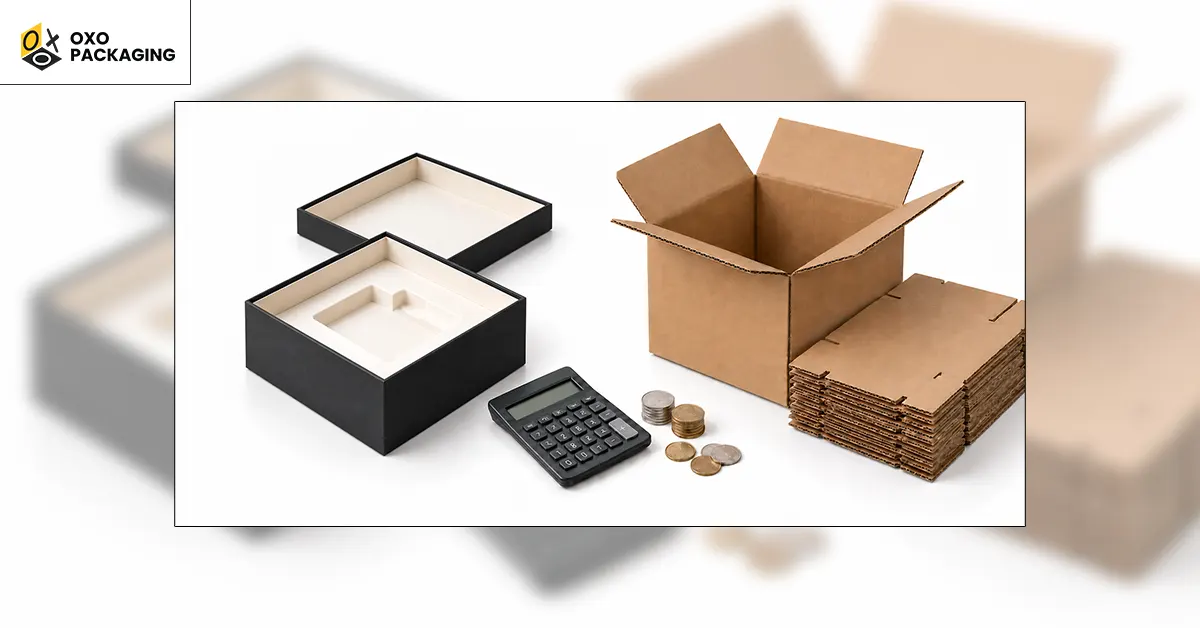
Packaging costs directly affect profit margins, especially when ordering items. Rigid boxes usually cost more because rigid boxes need materials, extra wrapping, extra finishing work, and complicated assembly.
Regular boxes are usually more economical for volume packaging. Regular boxes have a construction and a flat‑shipping shape that can also cut down storage and transportation costs.
However, the cheapest packaging does not always provide value. Damaged products and poor presentation can raise business costs.
Regular boxes fit businesses, while rigid boxes are worth it when a premium presentation justifies a higher product value.
Branding and Visual Appeal
Packaging tells your brand identity even before customers see the product. The look of packaging shapes how people judge quality and how happy they feel. I have seen how a good design can make a difference.
Rigid boxes let you add luxury finishes such as gold foil stamping, embossing, debossing, textured paper, and satin linings. Rigid boxes give a look that is perfect for gifts and premium products.
Regular boxes can also carry branding by using full-color printing, custom graphics, branded tape, and inserts. Regular boxes help businesses keep their brand image while spending less on packaging.
Choose boxes for luxury branding and choose regular boxes for affordable, recognizable packaging.
Customization Options
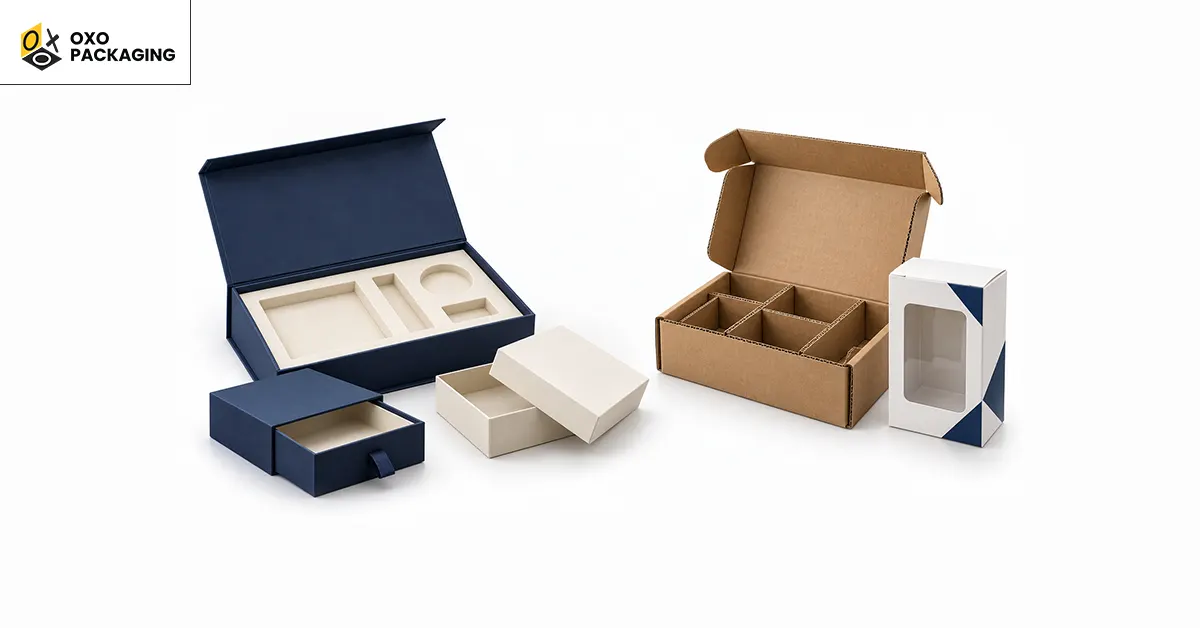
Rigid boxes offer several premium structures, including lift-off lids, hinged lids, drawer-style designs, and magnetic closures. Custom inserts can hold products securely while improving presentation.
Regular boxes offer flexible dimensions, different corrugated flute profiles, printing options, and protective dividers. Die-cut windows and custom closures can further improve their functionality.
Choose rigid boxes for distinctive packaging designs and a premium unboxing experience. Regular packaging boxes are ideal for functional, customizable everyday packaging.
When You Prefer Rigid Boxes
Here are some steps to guide you when choosing rigid boxes:
Fragile and High-volume items:
They are used for gadgets, smartphones, or crystals where structural rigidity prevents dents or crushing better than standard folding cartons.
Gifting and Special Occasions:
Perfect for corporate occasions, holidays, or special food that double as a keepsake box.
Unboxing experiences:
This is best when you want a memorable, gift-like opening ceremony that boosts brand loyalty and repeat purchases.
Luxury and High-End Products
Ideal for items like fine jewellery, cosmetics, and luxury perfumes where the packaging sets the price expectations.
When You Prefer Regular Boxes
Here are some considerations when you choose regular boxes:
Fast Moving Consumer Goods
Ideal for everyday retail items like cereal, pharmaceuticals, and apparel where production speed is high, and margins are tight.
Optimized Transit
Choose when minimizing package weight and maximizing pallet density are required to keep shipping fees low and reduce carbon emissions.
Strict Packaging Budget:
This is critical for brands that need to keep the packaging prices down to pennies or cents per unit to protect their bottom line.
Conclusion:
Ultimately, the choice between rigid and regular packaging comes down to balancing cost against presentation. If your product targets the luxury market, commands a high profit margin, or relies heavily on a high-end gifting experience.
Rigid boxes provide the premium aesthetic and unyielding protection you need. However, if your business requires scalable, budget-friendly, and efficient packaging that handles high volume seamlessly. Regular boxes are the superior choice. Assess your product's vulnerabilities, calculate your margins, and select the box that best supports your business growth.
No, unlike regular folding cartons or corrugated boxes, rigid boxes are manufactured and glued into their final structural shapes. They must be transported fully assembled, which means they occupy significantly more space.
Yes, provided you choose the right board grade and internal cushioning. Heavy-duty or double-wall corrugated regular boxes offer excellent shock absorption. They can easily protect fragile items when paired with bubble wrap, molded pulp, or custom cardboard inserts.
Rigid boxes require thicker, higher-density grayboard, specialized wrapping papers, and a production process that often involves advanced setups or manual hand-finishing.