


How to Choose the Right Butcher Paper? Different Types, Benefits & Comparison
2026-04-15 07:38:28
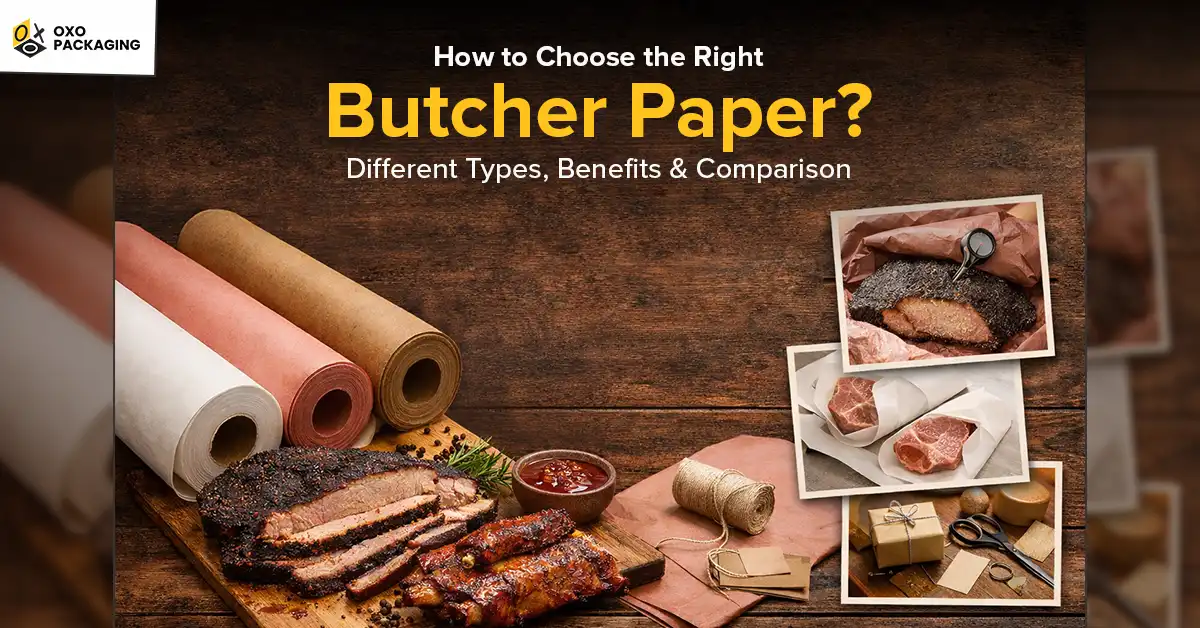
What is butcher paper, and what are its uses? The simple answer is that butcher paper is a kitchen tool traditionally used by meat cutters, but it’s evolved into a versatile tool for BBQ pros and crafters alike. While it sounds like a piece of cake, it is where confusion begins when choosing the right butcher paper for your work.
Chances are, you have often come across various types of butcher paper, each with different treatments and colours, which dictate how the paper handles heat and moisture, along with benefits for both cooking and wrapping. Whether you’re a BBQ pitmaster, meat processor, or seasonal cook, this guide will provide you with all the essential details about butcher paper. Read on!
Understanding Butcher Paper
Butcher paper is made from biodegradable paper that undergoes the wood pulp process, known as kraft paper. This paper is thick and food-grade, used to wrap, store and smoke meat while providing superior moisture management, breathability, and durability.
Aside from brown, you can also get pink and white in colours. Below are the types of butcher paper and their usage, benefits, and disadvantages.
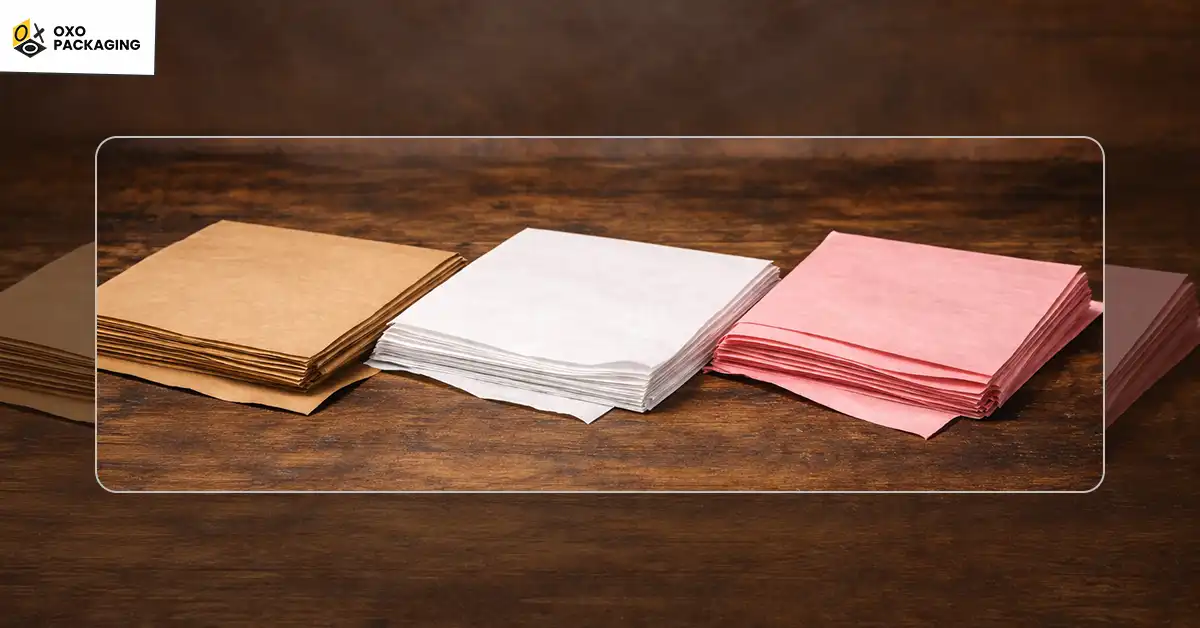
Different Types of Butcher Paper & Their Benefits
Here are some different types of butcher paper and their benefits:
Brown butcher Paper
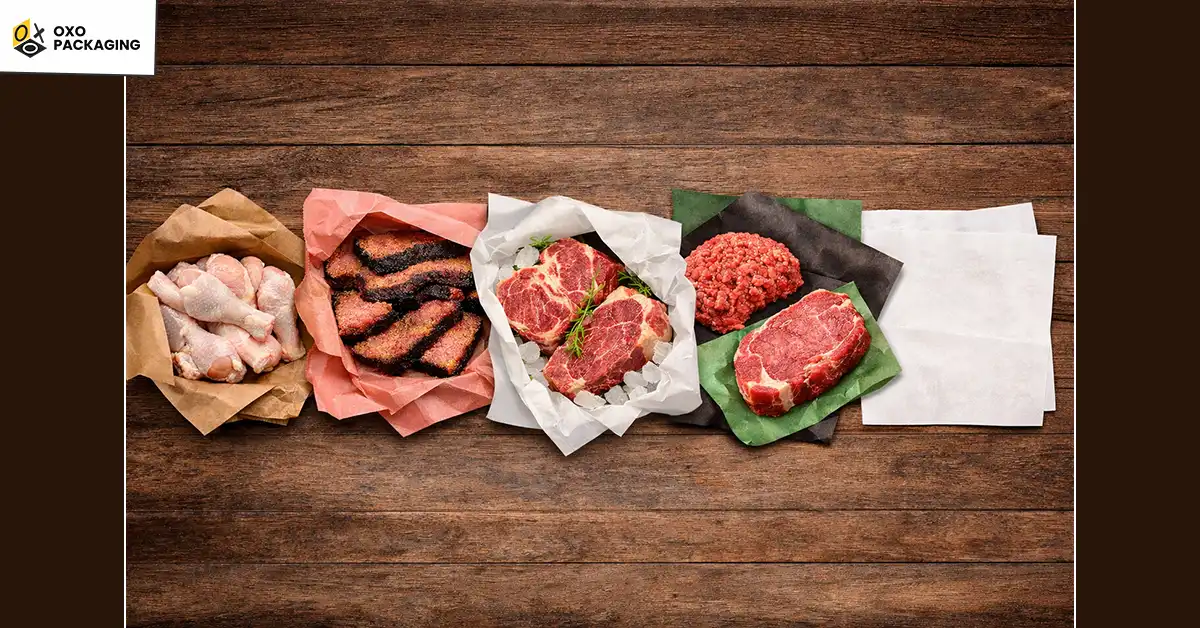
The most common choice is brown paper, which is sometimes referred to as kraft butcher paper because of its colour. This is a great option for storing and delivering fresh foods or other food-related items. It's thick enough to protect the meat wrapped inside from airborne or contact contaminants while also preventing leakages.
This is often the most cost-effective solution, as it is the industry standard and has undergone the least amount of processing.
Pink/Peach Butcher Paper
The colour of Pink butcher paper comes from the natural colour of the southern pine wood pulp used to produce it. This paper is commonly used for smoking because it allows smoke in, while also keeping contaminants out. Like kraft paper, pink butcher paper is suitable for wrapping meats and preventing leakage. The paper is strong enough to prevent leaks while still allowing the packaged meat to breathe, preventing sogginess.
Peach butcher paper also prevents too much oxygen from entering the wrapping, which minimises unwanted oxidation of the meat. This keeps the meat as fresh and vibrant as possible during storage.
Gardenia Butcher Paper
On the other hand, gardenia butcher paper is a premium, high-performance paper that offers superior protection, prevention, and a strong barrier against moisture, compared to any other type of butcher paper. This premium paper is ideally used by restaurants for red meats, poultry, and raw fish. Due to its extreme protection, you may face a higher price.
Steak Butcher Paper
Steak paper is another functional option used to display beef and pork, but also works well as a backdrop to display any type of meat. You can also use it for wrapping meat to seal the product juice while assuring a clean and perfect presentation to please your customers. This paper comes in a variety of sizes and colours, including green, black, white, and peach.
White Butcher Paper
Another choice is white butcher paper, which undergoes a bleaching process to remove the natural brown texture of kraft paper. This process can slightly change the cost as compared to kraft paper. You can use white butcher paper for non-food-based products. For instance, it’s commonly used for disposable table coverings for arts and crafts stations, buffets, or presentation tables.
Butcher Paper VS Parchment Paper
This is the most frequently asked question by people when they are looking for the best option for food packaging. To answer the question, butcher paper and parchment paper differ in thickness, surface, and degree of moisture resistance. While parchment paper has a silicon layer that makes the surface non-sticky, ideal for lining baking sheets to prevent content from sticking to the pan or preventing burns.
Butcher paper, on the other hand, is best used for longer cooking methods like smoking, where the temperature is 300°F or under. This paper remains intact even when wet, making it perfect for wrapping juicy meats and other edibles. In smoking, this paper allows the smoke to infuse into the meat, delivering it a classic taste, sealing in the juices, and maintaining the delicious crispy bark.
Freezer Paper VS Butcher Paper
The difference between freezer paper and butcher paper is that freezer paper has a coating of polythene on one side that provides extra strength when the paper is exposed to moisture and needs protection against freezer burn. Butcher paper is typically uncoated, breathable paper designed for smoking meats or short-term, fresh-cut storage. Freezer paper is usually more expensive than butcher paper. Things to consider are that you should not freeze food in any kind of non-freezer paper without first wrapping the product in plastic.
Choosing Butcher Paper? Look At the Versatile Applications of Butcher Paper
While choosing the right butcher for your food packaging solution, always consider the demands of your products. For example, whether your meat is greasy, oily, juicy or dry, considering these factors and choosing the paper accordingly will help a lot in effective branding and protection. Here are the versatile uses of butcher paper that you can look at and use for yourself:
- Butcher can be used more than once due to its tough and versatile material that doubles as a culinary helper and a multipurpose tool for cooking, wrapping, DIY, and crafting.
- Wrapping and storing meats, fish, and wild game for short-term storage in the refrigerator
- Ideal to use when trimming meat or seasoning foods
- Use to seal in the juices and protect the crisp bark at the end of smoking meats
- You can reset your meat in it before serving
- Best for lining tables or a tray when serving seafood boils or smoked BBQ feasts
- Wrap your deli items in it, like meat, sandwiches, and subs
- Covering and wrapping food in a microwave
- Best for keeping wrapped meats and vegetables moist while roasting low and slow in the oven at a temperature of 300°F
- One can also use butcher paper as wrapping gifts, create an art wall, and make decorative banners for parties.
Sum Up
No matter which butcher paper you choose, all types have their own features, values and benefits when it comes to food packaging. No matter what kind of packaging you need for your business, OXO Packaging has you covered. Get more information and the best butcher paper for your product by filling out the form.
The best butcher paper for smoking meat is unwaxed, food-grade pink (or peach) butcher paper, which allows meat to breathe, retaining moisture while preserving the bark.
Parchment Paper: Parchment paper is a non-stick, heat-resistant paper that can be used as an alternative to butcher paper. It helps to create a moist, tender texture in the meat, but may not produce the same level of bark as butcher paper.
Yes, unwaxed butcher paper is generally oven-safe for roasting and smoking at low-to-moderate temperatures (typically up to 300°F–400°F).
No, standard butcher paper is not non-stick. Unlike parchment paper, which is coated in silicone, traditional butcher paper is uncoated and porous, designed for breathability when smoking meat.
Butcher paper is generally water-resistant and grease-resistant, but it is not completely waterproof. It is designed to handle moisture from meat without falling apart, rather than to be a leak-proof barrier.
Standard basis weights available: 90 gsm. The basis weight for White Butcher Paper is always 90 gsm. This ensures that it offers strength, reliable performance, and good yield for a wide range of uses.