


Tin Vs Aluminium Packaging - Which One to Choose?
2026-02-19 06:01:14
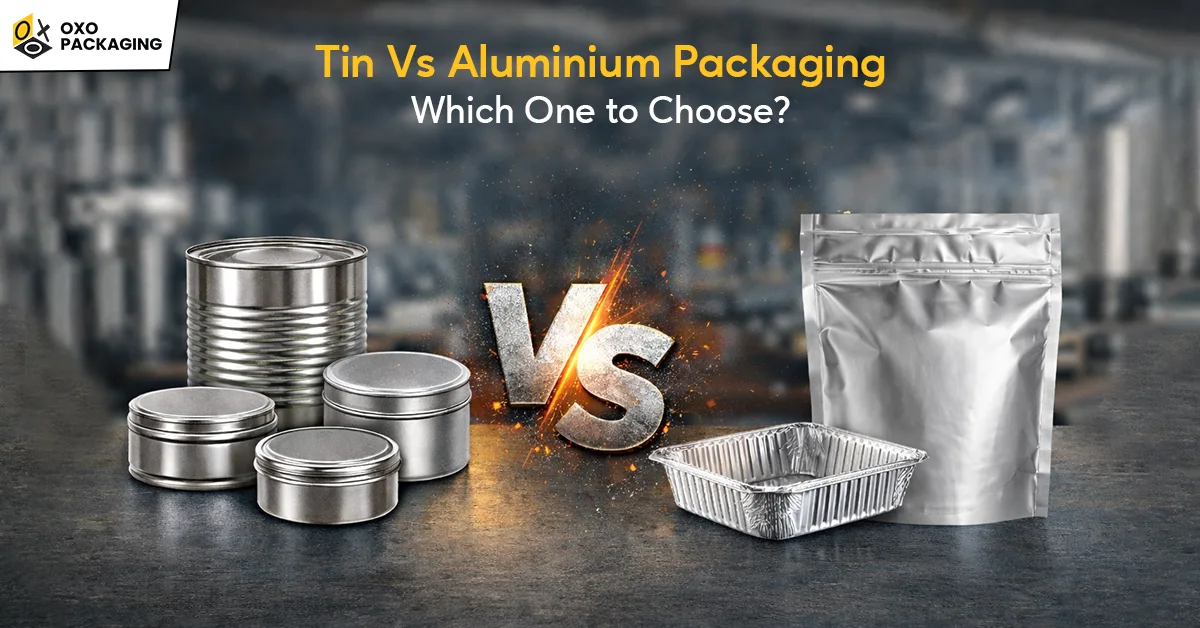
Over the past few years, metal packaging demand has grown at a CAGR of 6.7%. This innovation is influenced by some factors, which raises one question: which packaging is better, tin or aluminium?
To answer your question, neither tin nor aluminium is considered universally “best”; it totally depends on the choice of your product prioritisation and demands. Stuck on which one to choose? At the end of this blog, you’ll be assured of which packaging is going to be yours!
What is Tin Packaging?
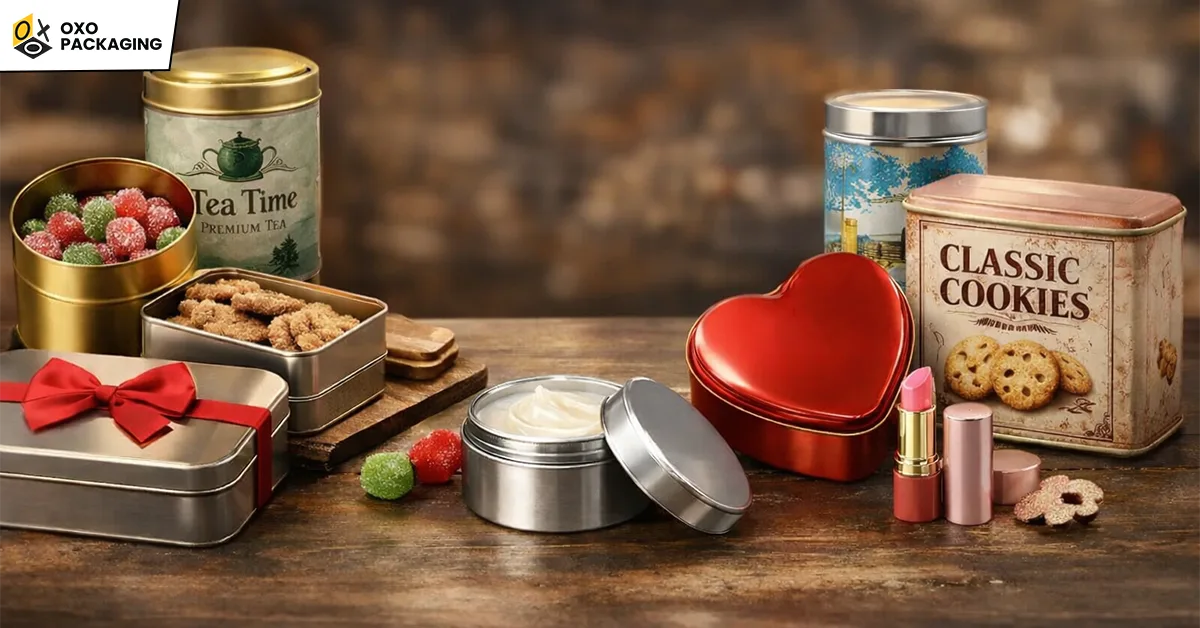
Before diving right into the differences, understanding both materials is crucial, as it will support your product demands. Tin boxes are made from an alloy-coated metal from which their strength, durability, and corrosion-resistant properties are derived. Making them ideal for food, cosmetics, and gift packaging, with high customisation possibilities, you can make tin packaging brand-ready.
What is Aluminium Packaging?
Aluminium packaging is ideal if you are looking for lightweight, flexible and infinitely recyclable packaging; then aluminium can be your choice. The versatility can be seen in cans, pouches, trays and aluminium containers. Famed for its non-toxic and non-corrosive properties, especially in preserving food, from light, oxygen, and moisture. With unlimited customisation, aluminium looks fabulous!
What is the Difference Between Tin Aluminum Packaging?
Now you know that tin and aluminium are two metals that by nature share similar properties and characteristics, yet there are still insights that separate these two materials. Look at how:
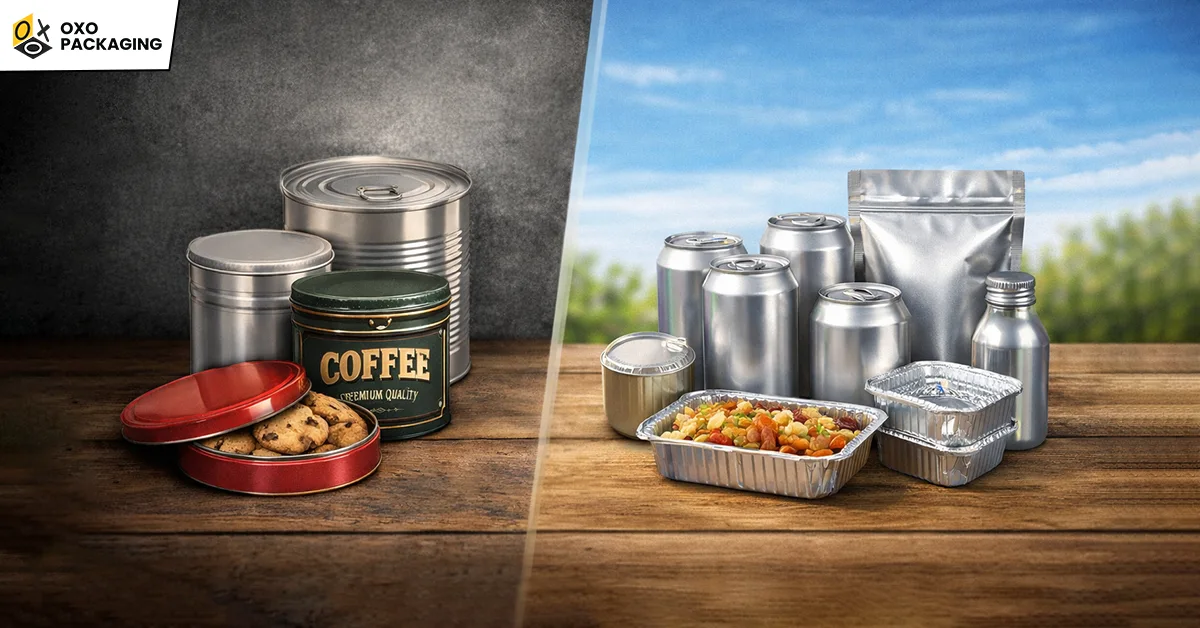
- While tin packaging is heavier, stronger, and better for rigid and durable containers like food tins, vintage-style coffee tins, or cookie tins, aluminium packaging offers lighter, more flexible, and infinitely recyclable, ideal for beverages and lightweight items.
- Aluminium is a metal that is much more abundant and easy to find on our earth, and it is nowadays easy to extract and process. The common nature of aluminium as a metal makes it much cheaper compared to tin.
Learn more about the pros and cons of aluminium and tin packaging below!
Pros of Tin Packaging
The pros of tin packaging rely on the following factors:
Strength & Durability:
Tin packaging outperformed aluminium packaging in terms of strength and durability, as the materials used in the production of tin are more tensile than aluminium. The core material, alloy-coated steel, is highly resilient and less prone to denting and warping, which makes it ideal for products requiring long-term preservation during transport or in storage.
Barrier Properties:
Tin plate offers extreme protection with its airtight sealing and corrosion-resistant properties. For instance, items like Christmas cookie tins eliminate moisture, oxygen and contamination, as we know cookie dough is prone to these elements, which other packaging may not offer as tins packaging does.
Customisation:
Tin packaging exhibits an old-school vibe after printing, which is generally regarded by modern buyers. However, if we talk about printing versatility, tin packaging can require more intricate details, time and effort in the production of appealing designs and artwork.
Drawbacks of Tin Packaging
With pros come cons, and some of the highlighted cons of tin packaging are that tins are heavier than aluminium, which raises shipping costs to an extent. Next, the availability of tins is limited as they are not widely available on our planet like aluminium. Tins are also less recyclable and need more time & money.
Pros of Aluminium Packaging
Pros of aluminium packaging are:
Strength & Durability:
While aluminium is lightweight and suitable for products like beverages, it’s more prone to damage and lacks the robustness needed for heavier protection.
Barrier Properties:
The barrier properties of aluminium are good against light and oxygen when customised with multiple layers, but are more suitable for lightweight and less delicate products.
Customisation:
There is no limit to customisation on aluminium packaging if the right packaging partner is chosen. You can print aluminium however you want, from minimalist designs, vibrant colours, retro style, to aesthetically pleasing graphics.
Drawbacks of Aluminum Packaging
As mentioned earlier, aluminium packaging may not provide protection as tin packaging due to the contrast in manufacturing, which mutes the quality and strength. And if you are choosing aluminium for food packaging, then you may need additional coating to meet strict food regulations.
Tins vs. Aluminium Packaging: Sustainability Comparison
You might be familiar with consumers' demands and packaging regulations towards sustainability. Considering both user end and legal regulations, tin and aluminium are both highly recyclable. Here’s one drawback: while tins are 100% recyclable and use up to 70% energy, properties and quality can be degraded when recycled an infinite number of times. On the other hand, aluminium can be recycled an infinite number of times without losing its properties.
Industry Applications of Tin vs. Aluminium Packaging
The uses of aluminium and tin are diverse in various industries. Brands and manufacturers are responsible for the safety and protection of their products; that’s why understanding the uses, capabilities and properties of both materials is important. Here are some packaging industry applications of aluminium and tins, we’ve collected for you:
Tin Uses
Canned Foods: Tins are widely used for canned food, such as fruit, vegetables, fish, tuna and other food items that require immense preservation.
Cosmetics boxes: The beauty industry also uses tins for its cosmetics, like lip balms, perfumes, and cleansers.
Gift Packaging: The attractive appeal of tins makes them ideal for various gift packaging.
Bake items: Best for Cookies, cakes, chocolate, and other sweet items.
Aluminum Uses
Cosmetics: Aluminium is also used for cosmetics, lip balms, moisturiser creams, and hair styling, etc.
Beverages: Aluminium is ideally used to hold cold drinks, energy drinks, and other beverages.
Edible Items: Most of the industries use aluminium for their edible products, like deli, trucks, and even restaurants for loaded fries, pasta, and other fast food items.
Get Tin Packaging and Aluminium Packaging at Wholesale Prices!
At OXO Packaging, we offer unlimited customisation from choosing the material, personalised design, required size, style, and finishes. We’ve got you covered. We also offer wholesale discounts and free shipping with design support to our valuable customers. Contact us today to get a custom quote!
Neither tin nor aluminium is definitively "better". Each one has different strengths. Aluminium is lighter, more recyclable, and cheaper for widespread use in items like beverage cans. However, traditional tin-plated steel cans are stronger and offer better protection for certain perishable goods.
Thus, between tin vs. aluminium, while aluminium is stronger, tin is more durable, given its lower hardness and more flexibility.
The main disadvantages of tin packaging are its higher cost, greater weight, and susceptibility to corrosion. Despite being durable and strong, tin becomes heavier and raises the shipping costs as a result.
The transition occurred mainly because aluminium was more abundant, cost-effective to produce, and didn't impart the 'tinny' taste to foods. Additionally, aluminium foil was found to be more durable.