


What are the Different Types of Hardcovers for Books? Read On!
Waqas Khan Pitafi 2026-02-04 05:54:52
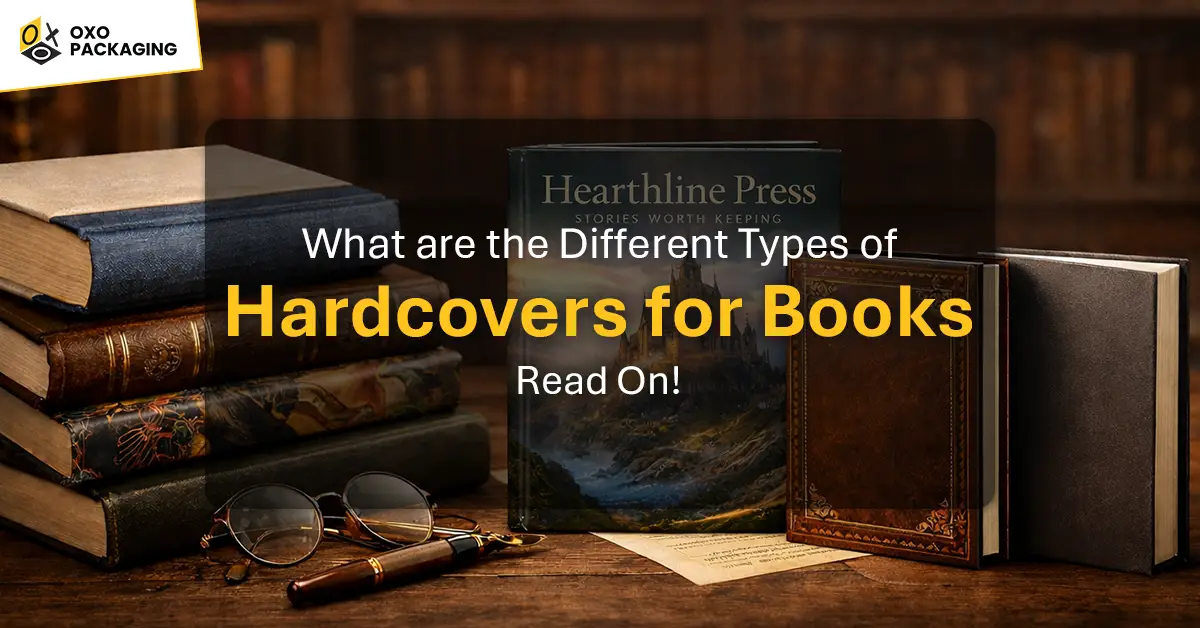
It's a common saying, “Don’t judge a book by its cover.” But no more in the modern literary era, where readers judge books by their cover more than by their content. Ensure your books entice readers by beautifully designing their hardcovers.
Wondering why not choose paperback or softcover instead of hardcover for your books? The reason is that hardcovers reflect quality and durability. As a result, they can be kept and treasured for a lifetime compared to softcovers, which are read only once. Since there are different types of hardcovers for books, which one should you choose? Get the answer in this blog!
Case Bound Laminated
A case-bound, laminated hardcover is a durable, premium book with a stiff cover made of rigid boards. These boards are wrapped in a printed paper sheet that has been laminated for protection, instead of a separate dust jacket.
Pros and Cons of Case-Bound Laminated Hardcover
|
Pros |
Cons |
|---|---|
|
Budget-friendly |
Not as unique as some of the other choices on this list |
|
Durable |
Heavier and more inconvenient for shipping |
|
Fully customizable |
Limited Lay-Flat Capability |
Dust Jacket
A dust jacket is also known as a “dust cover” or “dust wrapper”. It is a removable, printed paper cover that wraps around the outside. A dust jacket cover protects your book from dirt, spills, and scratches while also displaying the title, author, summary, and author bio on its front, back, and folded flaps.
In this way, this hardcover serves as a primary advertising and information space, even if the actual hardcover binding underneath is plain.
Pros and Cons of Dust-Jacketed Hardcover
|
Pros |
Cons |
|
Keeps the cover fresh and clean |
Covers can easily fall off, rip, and get lost |
|
Great for collectors, literary and collector’s edition books |
More expensive to create than other types of hardcover books |
|
Dust jacket flaps can be used as bookmarks |
Inconvenient to Handle |
Cloth Cover
A cloth-covered hardcover is a durable and exclusive-style book. It has a sturdy board cover wrapped in fabric like linen, cotton, or rayon instead of paper. In turn, it offers a classic, textured feel while featuring titles in elegant foil stamping or embossing for high-quality, special editions.
It’s a conventional binding method providing a sophisticated look and long-lasting finish, making cloth hardcovers popular for collectors’ items, art books, and luxury publications.
Pros and Cons of Cloth-Covered Hardcover
|
Pros |
Cons |
|
Prestigious and Classic Aesthetic |
Vulnerability to Stains and Dirt |
|
Unique Tactile Appeal |
Susceptible to Wear |
|
Prevents pages from falling out, even with frequent use |
Colour and Design Limitations |
|
Creates a refined and unique look |
Higher Cost |
|
Allows the book to open flat, which is ideal for reference manuals, cookbooks, or art books. |
Heavier and Bulkier |
Glued-Only Case Binding
Glued-only case binding is a cost-effective hardcover method where the pages are glued directly to the inside of the rigid cover using strong adhesives like PUR glue. It creates a durable and professional-looking hardcover, but tends to be stiffer and less likely to lie flat.
Pros and Cons of Glued-Only Case Binding Hardcover
|
Pros |
Cons |
|
Cost-Effective |
Reduced Longevity under Heavy Use |
|
Faster turnaround times compared to labour-intensive sewing |
Difficulty Lying Flat |
|
Prevents pages from falling out, even with frequent use |
Potential for Page Loosening |
|
Professional Appearance |
Stiffer spine |
|
Durability with modern adhesives |
Repairs Are Difficult |
Sewn Binding
Hardcover sewn is also known as case binding. It is a premium, durable bookbinding method where folded page groups are stitched together with thread. And then attached to rigid covers, while allowing the book to lie flatter and last longer, making it ideal for textbooks and collectors’ editions.
This method often uses techniques like “Smyth sewing” that create a strong book block that offers flexibility and longevity. It is far superior to glue-only methods.
Pros and Cons of Sewn Binding Hardcover
|
Pros |
Cons |
|
Creates the strongest and most long-lasting binding method |
Higher Production Cost |
|
Lays Completely Flat |
Not Suitable for Very Thin Books |
|
Ensures that pages remain securely bound even with frequent use over many years |
Cannot Include Single Pages Easily |
|
Accommodates Various Page Counts |
Requires Specialised Equipment & Skilled Craftsmanship |
|
Flexible Spine |
Longer Production Time |
Layflat
A lay-flat hardcover is a premium photo book with a special binding that allows it to open completely flat. It creates a seamless and uninterrupted view across two pages, which makes lay-flat covers perfect for panoramic photos and big images that span the gutter.
Layflat binding is achieved by printing photos on a single, long sheet of paper that’s folded. Then, it's glued back-to-back with other sheets rather than having individual pages glued into the spine. The result is thicker, more durable pages and an immersive viewing experience, making covers ideal for showcasing memories without any part of the image getting lost in the centre.
Pros and Cons of Layflat Hardcover
|
Pros |
Cons |
|
High-end, professional, and luxurious feel |
Limited Page Count |
|
Ideal for large photos |
More Time-Consuming |
|
Durable & Elegant Cover |
Less Versatile for Text-Heavy Books |
|
Memorable Gifting |
Spine Failure |
Wire-o Bound
A wire-o-bound hardcover is a premium book format. It combines the durability of a hardcover with the functionality of twin-loop metal wire binding that allows pages to lie perfectly flat or flip 360 degrees. If you want a clean, concealed spine for a polished look for journals, planners, or manuals, opt for wire-o bound hardcover.
It uses a C-shaped metal wire threaded through punched holes, while offering a sturdy and professional finish that’s practical for heavy use, unlike standard perfect binding.
Pros and Cons of Wire-O Bound Hardcover
|
Pros |
Cons |
|
Lays Completely Flat |
Limited spine printing |
|
360-Degree Page Rotation |
Vulnerability to damage |
|
Secure Binding |
Difficult to repair |
|
Accommodates Diverse Page Counts |
Potential for pages to tear |
How to Choose the Right Hardcover for Your Book?
Since you have explored different types of hardcovers for books, consider some significant factors to choose the right one. The following are those factors; have a look at them:
Cost
When it comes to choosing a hardcover, the budget range you have plays a significant role. If you want to choose a cost-effective printing cover, opt for a case laminate or glued-only case binding options. But if your choice is a classic, premium look and feel without a limited budget, cloth-covered and dust jacket hardcovers serve best.
Visual Appeal
When comparing different types of hardcovers, how you’d like your book to look also matters; for example, for a minimalist feel, consider a laminate case-bound hardcover. But dust jackets and sewn-binding hardcovers are best to show creative artistry for your book appearance.
Target Readership
The most essential factor to keep in mind is the consideration of who is going to buy your book. Then choose hardcover accordingly. For example, print lay-flat hardcover for cookbooks, art, and photography books or reference manuals. Because lay-flat hardcover binding can withstand frequent or heavy use.
Customisation and Branding
To build a strong brand reputation and book credibility, you have a vast range of customisation options to choose from. So, which one to go for? Go with matte finishes for publishing non-fiction, instructional manuals, or academic books. But go with foil-stamped laminated covers, spot UV treatment, and embossed dust jackets for fictional, high-end professional books, gifts, and special editions.
Start Printing with OXO Packaging!
A lot of factors need to be considered when customising your book's hardcovers, from choosing the right materials to premium finishes. As a reliable custom packaging company, OXO Packaging helps you design your book cover the way you want from start to finish. Contact us today to learn how our team of design experts can help you print your book with premium quality.
A heavy hardcover book is often called a tome, implying it's large, weighty, and significant. But it's also known by technical terms like casebound, hardback, or hardbound.
Book cover materials range from common paper or cardstock for paperbacks to premium options like cloth (linen) and leather (genuine or bonded) for hardcovers, plus durable synthetics like PVC and PP.
Book covers primarily fall into two main types: Hardcover and Softcover. Hardcover is durable, rigid, often with dust jackets or image wraps, while softcover is flexible and lightweight.
There is no difference between a hardback and a hardcover. They are two names for the same type of book, referring to a durable, rigid cover made from thick cardboard, often wrapped in cloth or paper.