


Bag vs. Box: Which Type of Packaging Is Right for Me?
2026-03-12 06:32:58
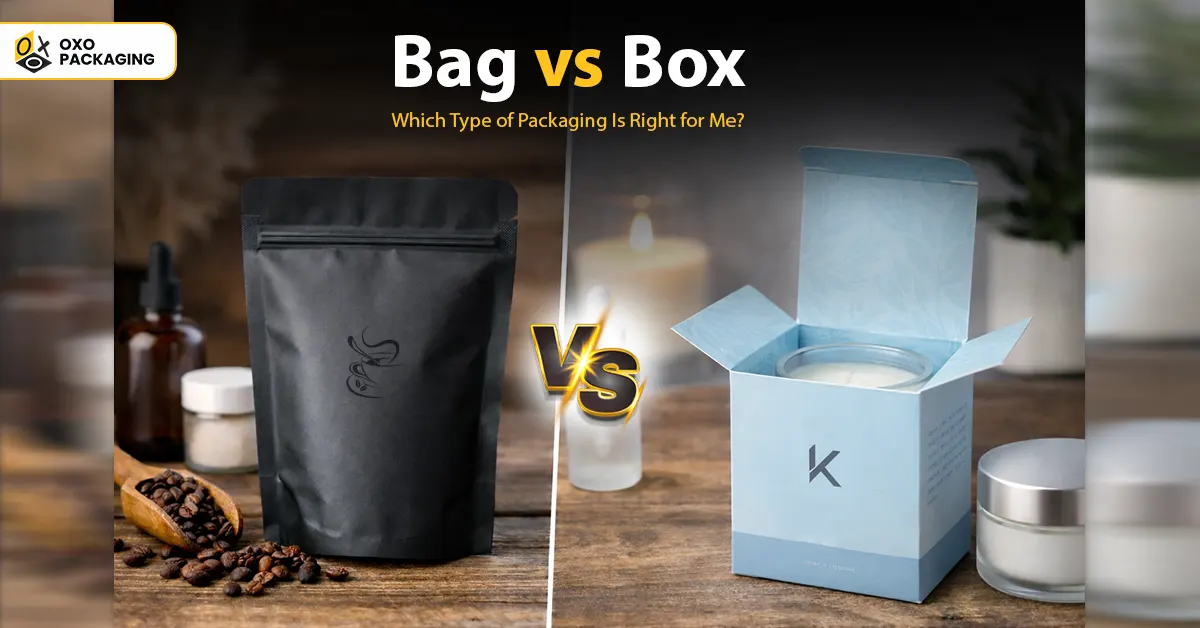
Choosing the right packaging shouldn’t feel complicated, but it often does. Bags look flexible and modern, while boxes feel sturdy and premium. Both promise protection, branding, and convenience. Wondering which one actually fits your product, your brand, and your budget?
Let’s explore it in detail, so you can confidently choose between a custom bag vs. box based on what truly matters. Read on till the end!
Made-To-Order Packaging
Custom packaging always wins because off-the-shelf packaging is designed to kind of work for everyone. However, custom packaging works perfectly for you. Talking about whether customised bags or boxes perform best, they both do.
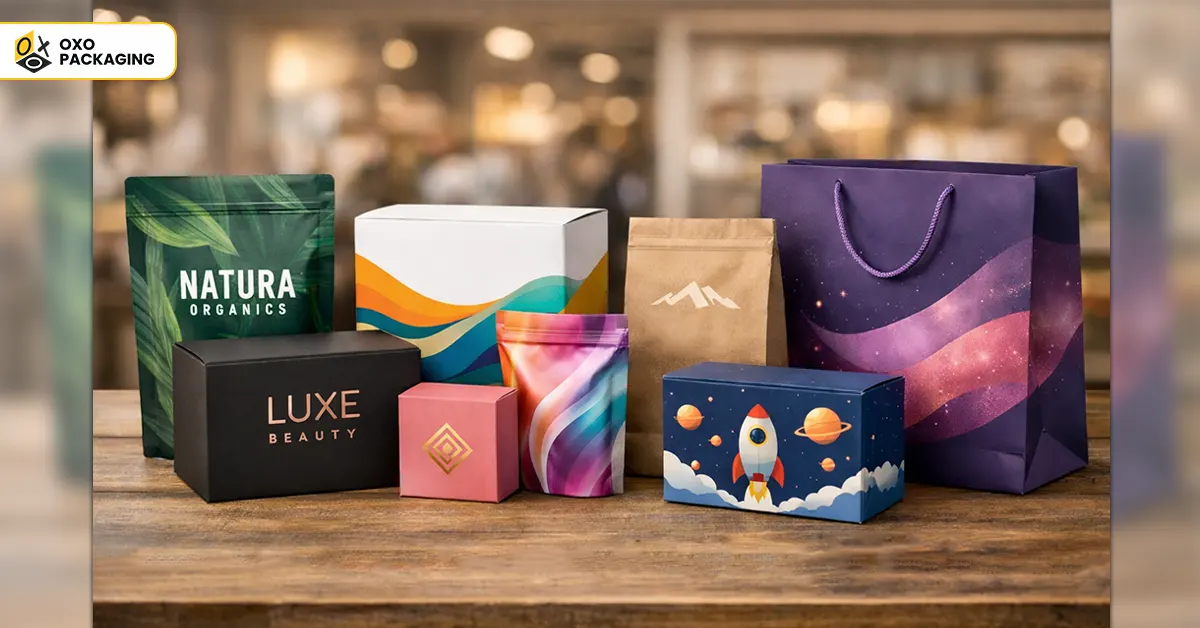
Gone are the days when boxes were more flexible for customisability with strong visuals. Especially, boxes made from cardboard material used to be very easy for companies to use branding that turned more eyeballs and heads of customers towards them.
But with the passage of time, packaging bags have also joined the club of extensive customisation. Once your products fit snugly and safely inside them, they are good to grab the instant attention of onlookers with impressive graphics.
It means you can customise every bag and box to the exact size needs, your brand colours and finishes, shipping and storage goals. Keep in mind, they both are customisable. But they serve different branding and functional needs.
For example, boxes are more suitable for structural innovation and protection, while bags are better for cost-effective and versatile branding on lightweight or irregularly shaped items. If you prefer superior branding and customer experience, choose custom boxes. But opt for customised bags if you want flexibility and practicality.
Versatile Custom Options
Both bags and boxes offer impressive flexibility, just in different ways. Personalised bags are best known for their lightweight construction, space-saving storage, and easy handling. They work exceptionally well for packing apparel, soft goods, food items with liners, and retail takeaways.
But when it comes to tailor-made boxes, rigid protection, stackability, and premium presentation give them a competitive edge. They shine when you have to pack fragile or high-value items, electronics, cosmetics, gifts, or ecommerce shipping.
With structural customisation, you can change the shape of boxes. Most common examples are gable boxes, rigid boxes with magnetic closures, sleeve packaging, or window boxes. You can also customise the interior of these boxes with inserts, padding, or tailored compartments for a luxurious and secure fit, unlike bags.
Compared to boxes, customised bags are generally cheaper to produce and ship than boxes, particularly in bulk. Paper or poly bags offer high-impact branding at a lower cost and are ideal for items that do not require rigid protection.
Tidbit: Personalised bags offer flexibility while boxes offer a stable structure.
Variety of Style Choices
Bags are more suitable for a wider variety of daily style choices, while boxes are better for specific, formal, or high-value, structured fashion presentations. Various types of bags, such as totes, satchels, and clutches, can change effortlessly from casual weekend wear to office or evening wear.
Common bag styles you can customise are stand-up pouches, poly mailers, paper carry bags, and zip-lock or resealable bags. But when it comes to boxes, they are less flexible in capacity, making them less suited for daily, heavy-duty, or diverse changing needs.
There are some particular yet popular styles which you can customise, such as mailer boxes, folding cartons, two-piece or magnetic boxes. While not as versatile, custom boxes are "essential" for delicate, high-value, or luxury items, providing superior protection.
Importance of Sizes
Size impacts everything from product safety, shipping costs, storage efficiency, and customer experience. In this regard, bags adapt more easily to product shape. They become suitable for irregular or compressible items such as cables, jewellery, pillows, and clothing. Customised bags also reduce unused space.
In the context of boxes, they need precise sizing to prevent movement during shipping. Customised boxes also offer a consistent presentation for heavy and large items like electronics, ceramics, books, and glassware.
Quality Matters
The choice between bags and boxes for quality depends on whether you prioritise physical protection and premium perception. If you want a high-end look for your products, then high-quality boxes win, but for freshness, cost-efficiency, and flexibility, bags stand out.
This is because boxes generally offer superior structural integrity against crushing. However, high-quality bags or pouches excel at creating airtight, moisture-resistant barriers. In simple words, you can associate boxes with luxury and premium products while offering a superior and memorable unboxing experience to users.
At the same time, if your preference is to use less material and get lightweight packaging to reduce shipping costs, then personalised bags are good to go. They not only save your significant budget but also become an eco-friendly choice for you.
Sustainable Nature
Based on environmental impact, recyclability, and logistics efficiency, cardboard boxes are generally more sustainable than single-use bags. These boxes offer superior stacking, protection, and recyclability, but bags are often lighter but harder to recycle, particularly plastic variants.
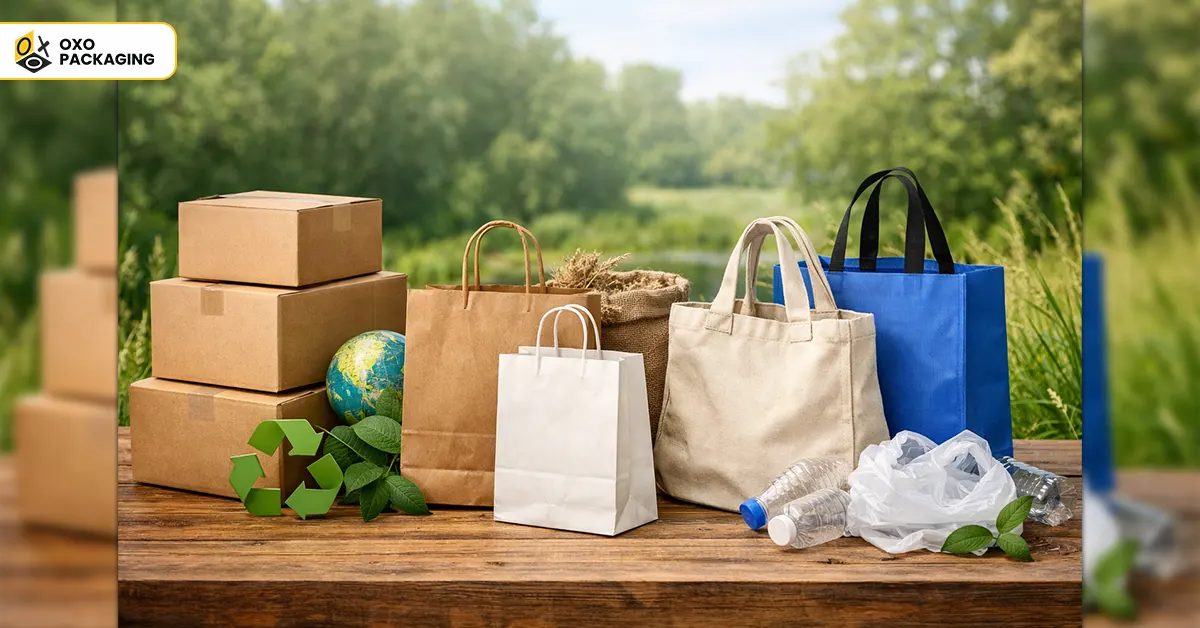
Cardboard boxes decompose naturally, unlike plastic. But if you choose corrugated cardboard boxes, they have a very high recycling rate. Also, these boxes are easy to stack, which minimises dead space in shipping while reducing fuel consumption.
Coming to paper bags, made from renewable resources, they are highly biodegradable. But the main drawback is that they require more energy and water to produce than plastic bags. However, plastic bags have a lower carbon footprint in production because they are lightweight.
Despite this fact, they pose major environmental threats because they can rarely be recycled, as plastic takes centuries to break down. On the other hand, bags made from cotton and polypropylene can be reused multiple times, making them highly sustainable.
Ease during Shipping
Shipping bags are more suitable for convenience when delivering lightweight and non-fragile items. However, they offer superior convenience in terms of speed, storage, and reduced shipping costs. Conversely, boxes are more suitable for shipping heavy, fragile, or bulky items that need rigid protection.
If you are a high-volume shipper selling clothes, soft goods, or sturdy items, poly mailer bags are the most convenient and cost-effective option. For anything fragile, heavy, or valuable, rigid boxes are necessary for safety, despite requiring more effort to pack.
What You Should Choose: Bag vs Box?
Choosing between a bag and a box depends heavily on your item's fragility, shape, and weight, as well as whether you are moving, shipping, or gifting. But choose boxes while shipping fragile items or if your products need a luxury feel. And when your products need to be stacked in storage.
However, invest in personalised bags for clothing, soft goods, or shipping items under 15.9 oz. And when storage space for empty packaging is limited. In crux, the best strategy is often to use both. Use boxes for the heavy, fragile, and valuable items to ensure safety, and use bags for clothes, towels, and soft items to save money, space, and time.
Where to Get Well-Customised Bags or Boxes?
Whether you need sleek custom bags or premium custom boxes, OXO Packaging helps you make the right choice, not just the popular one. We don’t just do well to help you make the right choices, but also customise bags and boxes with tailored sizes, durable materials, high-quality printing, and sustainable options.
A box is rigid and structured, offering more protection. However, a bag is flexible and lightweight, offering convenience and cost efficiency.
For fragile items, boxes are better. For clothes or soft goods, bags are often more practical. If you want a high-end look, then use boxes. And if you want cost-effective packaging, then bags are a good option.
No. Boxes and bags are separate packaging categories with different structures, materials, and use cases. Boxes are rigid, and bags are flexible in nature.
Generally, bags are cheaper to ship due to lower weight and volume, but boxes may prevent costly damage.